Callaghan Falls
By Armen Suny · Last verified Oct 2026
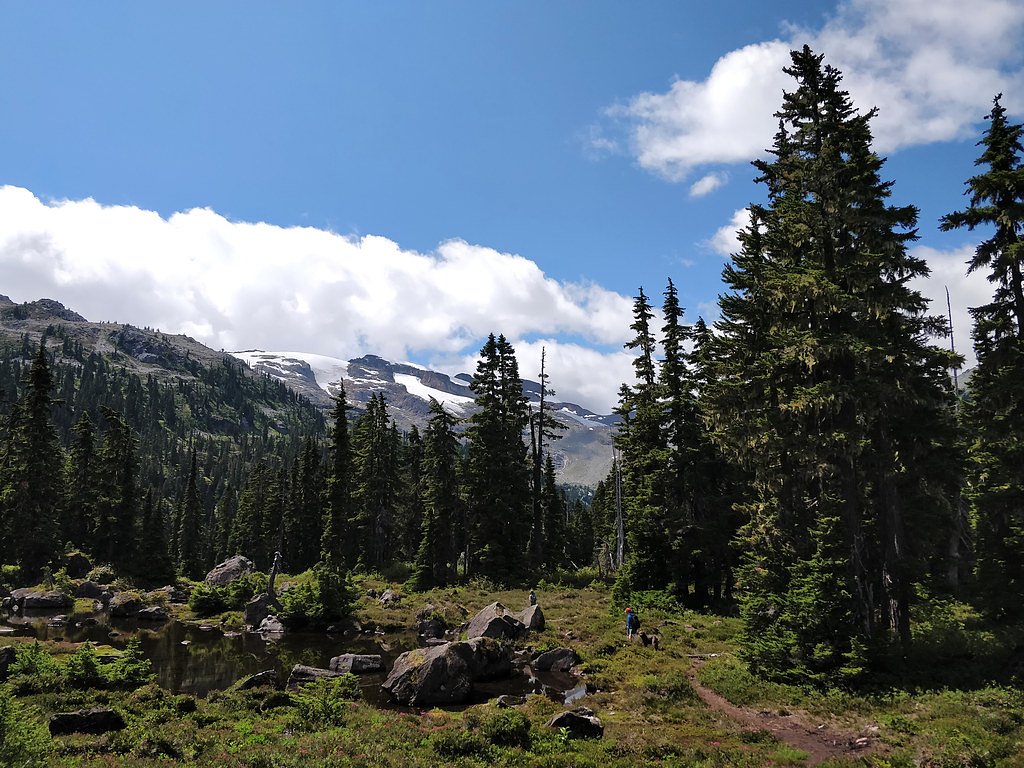
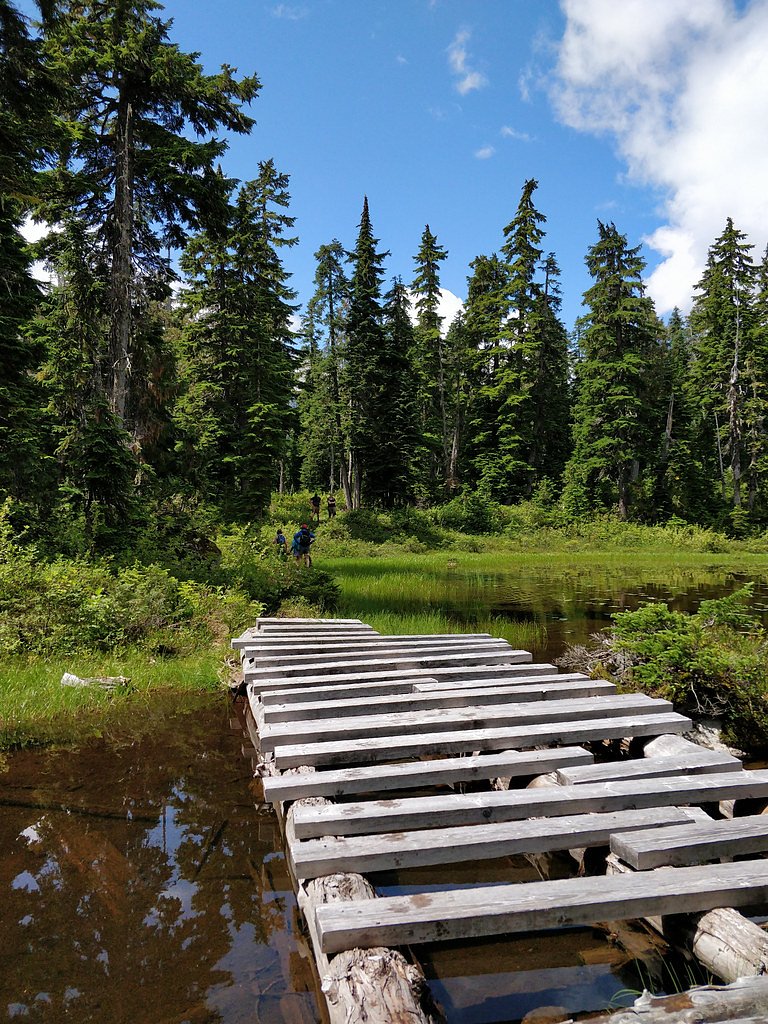
Photo Credits (5)
About Callaghan Falls
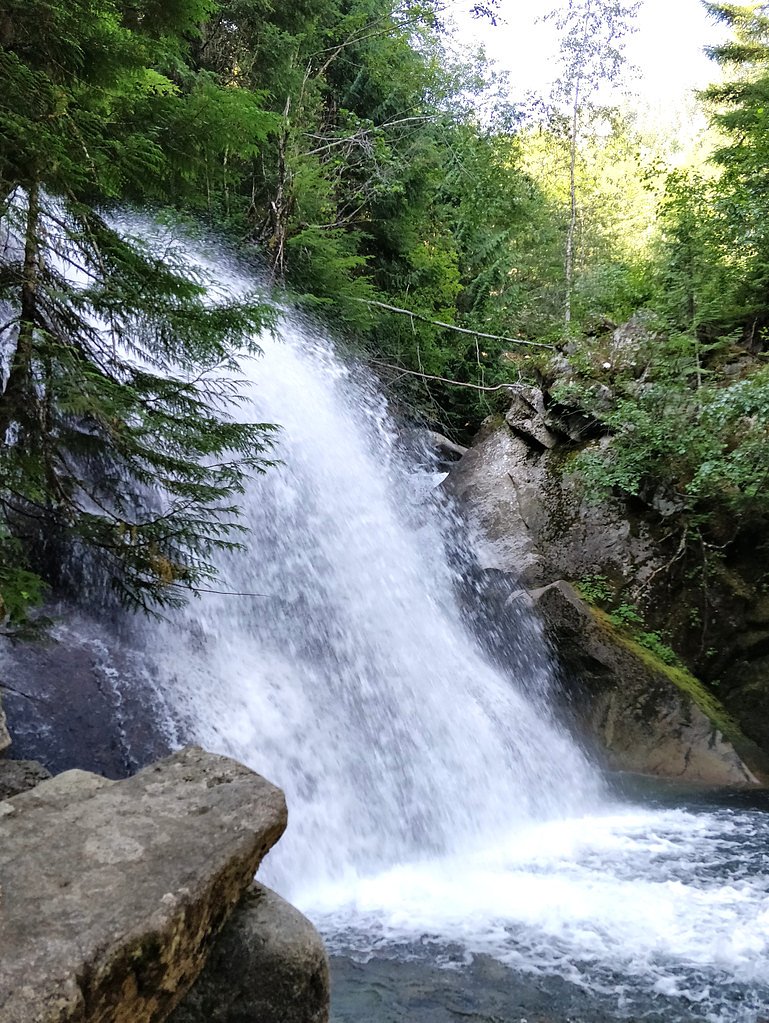
Callaghan Falls is a waterfall on Callaghan Creek in the lower Callaghan Valley, a few km southwest of Whistler and just east of Callaghan Valley Road. Whitewater kayakers run several falls on Callaghan Creek, but we found no published hiking trail, viewpoint or height for this one.
Why This Waterfall Exists
Callaghan Falls flows over hard volcanic rock laid down about 101-145 million years ago. These resistant rocks form a durable ledge that water cannot easily wear away, creating the falls where softer material downstream has already eroded.
Nearby Falls Worth Visiting
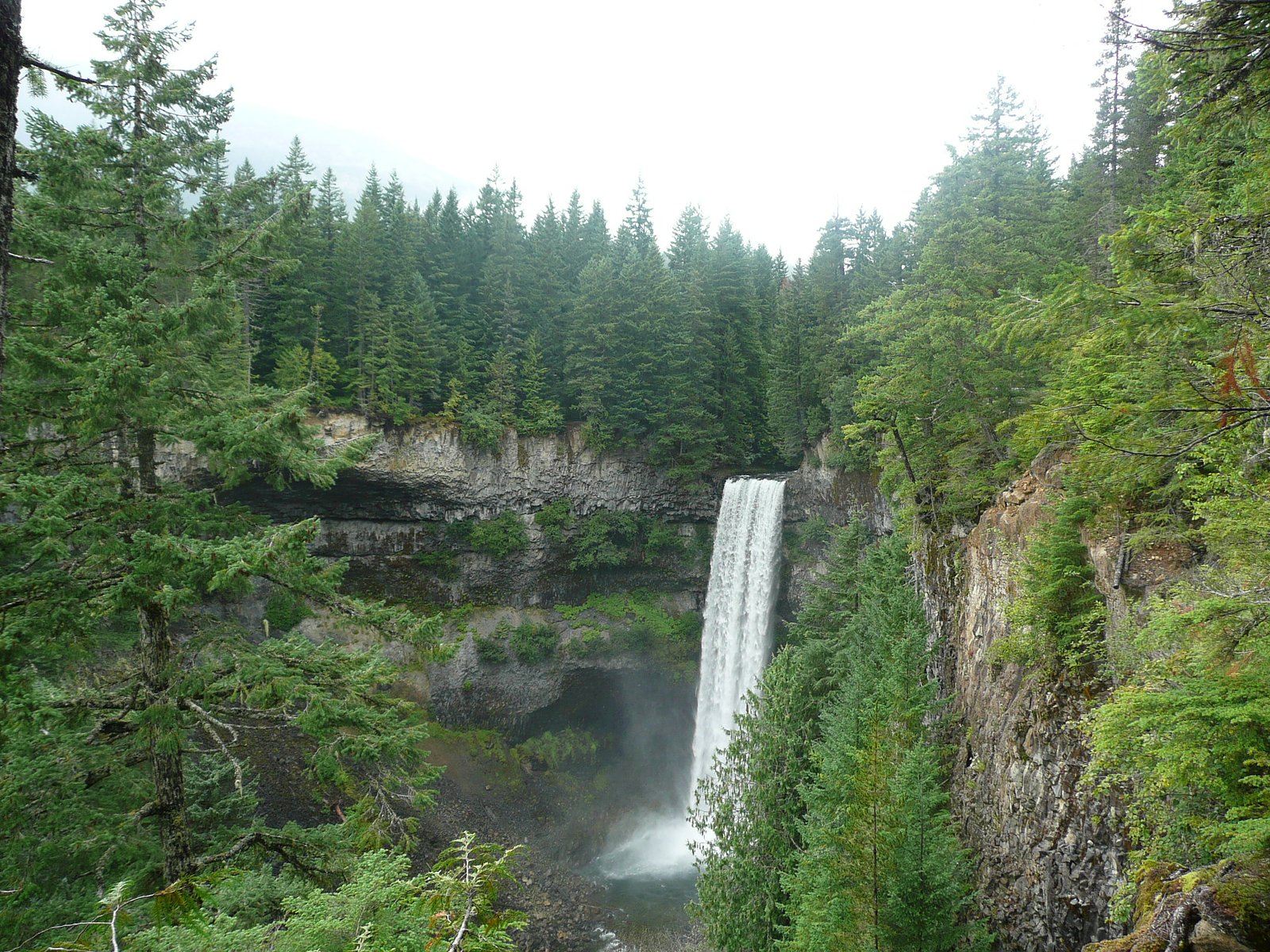
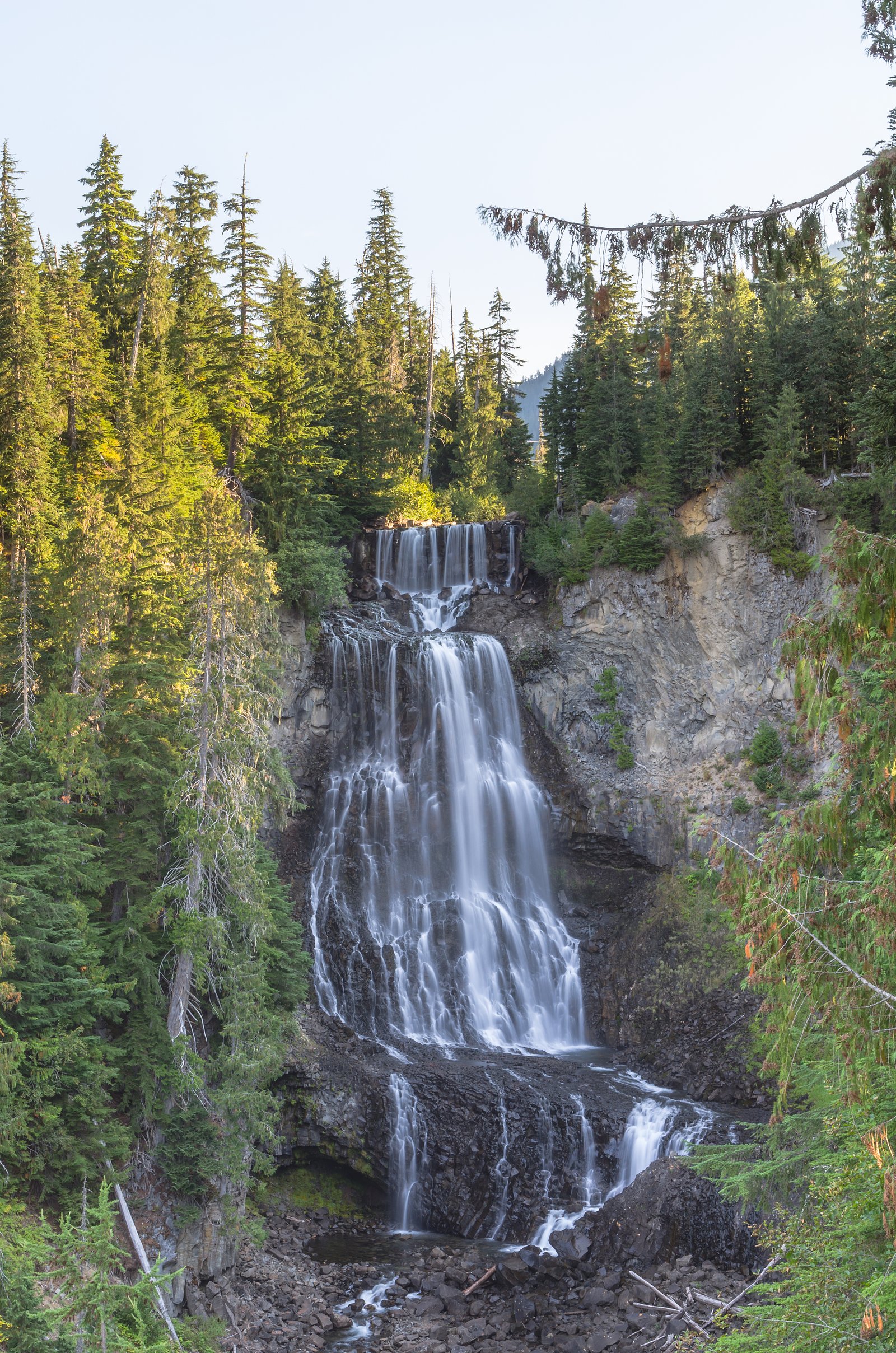
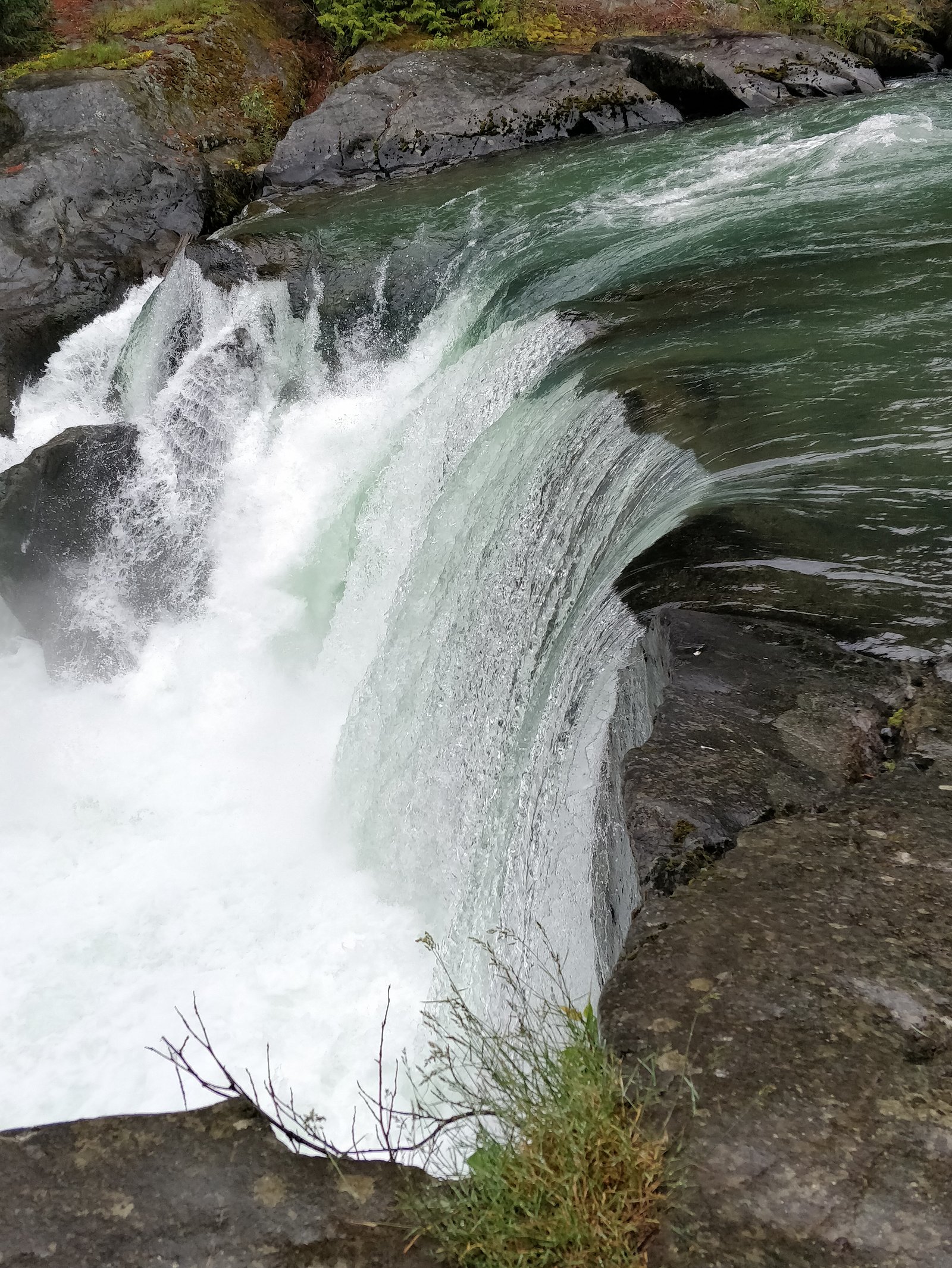
Brandywine falls (70 m) lies 5.5 kilometres to the south. Also nearby: Alexander Falls (43 m, 5.5 km) and Rainbow Falls (29 m, 10.5 km).
Trail & Hike Details
Trail Description
We found no published trail to Callaghan Falls. Mapping data places it on Callaghan Creek between Callaghan Valley Road and the Callaghan Creek Forest Service Road, but we could not confirm a safe route to a viewpoint.
Accessibility
Likely not wheelchair accessible. Access probably requires travel on unpaved roads and uneven, potentially steep terrain to reach viewpoints. Expect limited or no developed viewing platforms.
Frequently Asked Questions
🐶 Are Dogs Allowed at Callaghan Falls?
❌ Dogs are not allowed
Are There Any Fees or Permits Required?
🆖 No fees required
🏊 Is There Swimming at Callaghan Falls?
❌ Swimming is not allowed
When to Visit
Late spring (snowmelt) for highest flows and accessible routes; summer for more reliable road access and drier conditions; early fall for fall colors and lower visitor density. Winter access may be difficult or require winter travel skills/equipment (snow, avalanche risk in some areas).
Seasonal Access
The best time to visit is Spring, Summer, Fall, and Winter. Check with the managing park or local authority for current conditions.
Safety Information
Hazards may include: slippery wet rock near the falls, fast or cold water currents, steep unstable terrain, limited cell service, unpredictable weather, and wildlife encounters. Forestry roads can be rough, gated, or seasonally closed; do not rely on roadside signs alone. Always tell someone your plans, carry navigation tools, and be prepared for self-rescue. During winter and shoulder seasons, avalanche risk or deep snow may make approach hazardous. Use conservative judgment and local advisories.
Current Water Conditions
These readings come from the Water Survey of Canada gauge on Cheakamus River, 6.1 km away, not on Callaghan Falls's own stream. Use them as a sign of whether the area is running wet or dry.
6.6 m³/s
Current discharge — how much water is flowing
Lower than usual for this time of year
Based on 43 years of record
1.85 m
Water depth at gauge
7-Day Discharge Trend
What does this mean for your visit?
Flow is lower than usual for this time of year.
About This Gauge
7-Day Flow Outlook
Based on the WSC gauge CHEAKAMUS RIVER ABOVE MILLAR CREEK (6 km away).
Today
Low
6.6 m³/s
5/10Tomorrow
Low
6.3 m³/s
5/10Sat
Low
6.3 m³/s
4/10Sun
Moderate
6.5 m³/s
5/10Mon
Low
6.7 m³/s
5/10Tue
Low
5.9 m³/s
5/10Wed
Low
6.1 m³/s
5/10Best window: Today — low flow, cloudy (trip score 5/10).
Best time of year: this gauge typically runs highest from late May to late August, peaking in July.
How we calculate this
This is a transparent outlook, not a precise forecast. We take the waterfall's current flow strength (how it ranks against its historical normal for today, from the nearest WSC stream gauge), carry that ranking forward along the gauge's seasonal curve, and nudge it for forecast rain. Confidence is highest for the next day or two and falls further out. Always check official conditions and your own judgment before visiting — high flows can be dangerous.
Weather Forecast
Location & Access
Getting There
From Whistler, drive south on Highway 99 for about 10 km and turn right onto Callaghan Valley Road at the Callaghan Valley sign. The falls are on Callaghan Creek east of the lower part of that road. We found no signed trailhead.
Get Directions on Google MapsElevation
613 metres above sea level
Coordinates
50.085549° N, -123.121204° W
Visitor Tips & Gear
Where to Stay
Browse vacation cabins and private rentals nearby
Unique outdoor stays — tents, yurts, and treehouses
Rent a campervan or RV for your waterfall road trip
Some links are affiliate links. We may earn a commission at no extra cost to you.
Nearby Campground
Cal Cheak Callaghan Camp
2.8 km away
Additional Information
Nearby Attractions
Alexander Falls, a drive-up waterfall with a viewing platform farther up Callaghan Valley Road, and Brandywine Falls Provincial Park to the south on Highway 99.
Wildlife
Typical coastal mountain wildlife: black bears, cougars (less commonly seen), deer/elk, small mammals, and a variety of birds. Take precautions for bears and other large mammals.
Nearby Waterfalls
Writing about Callaghan Falls? Embed this waterfall on your site for free.