Photo Credits (5)
Difficulty
Hard
About Boulder Falls
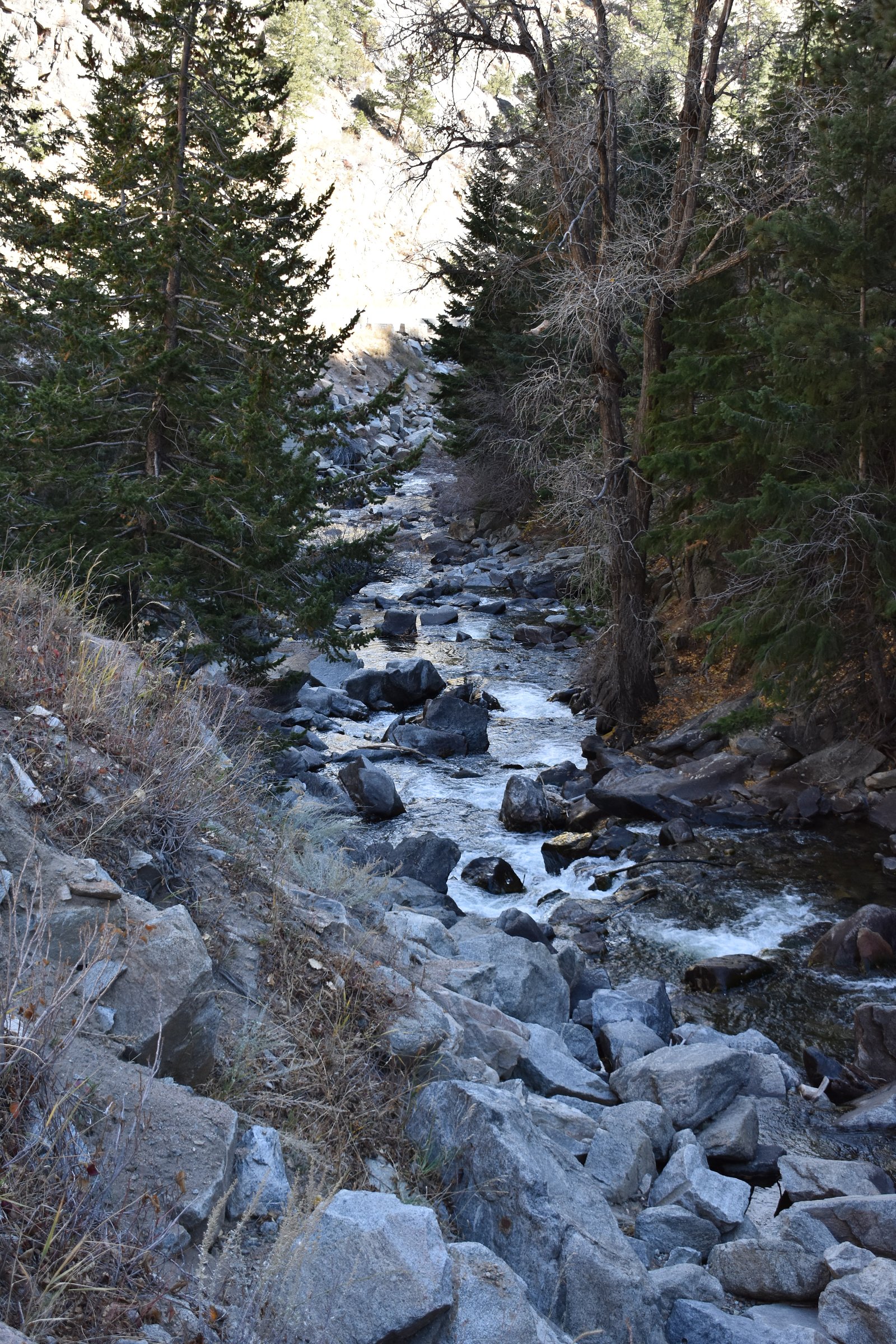
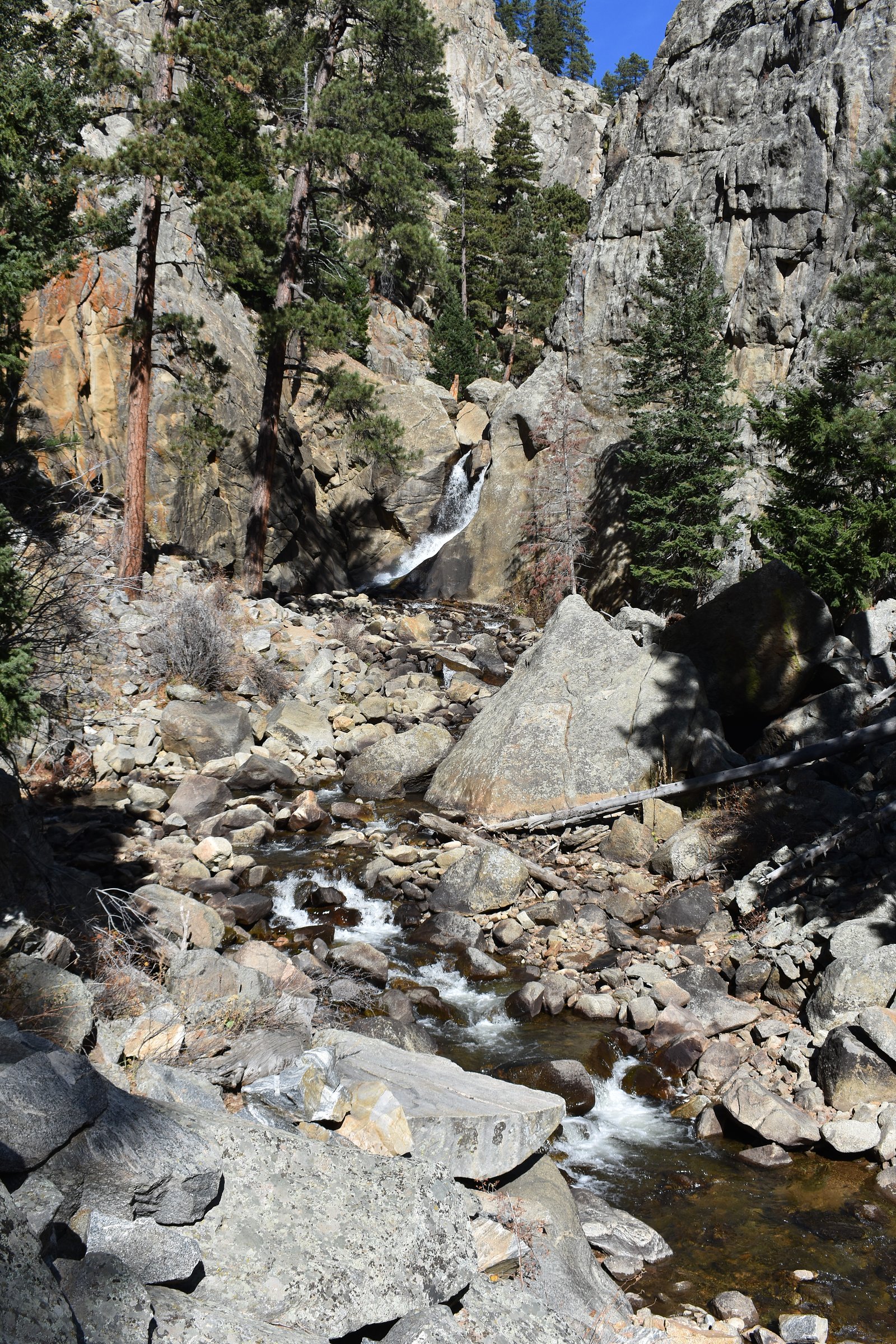
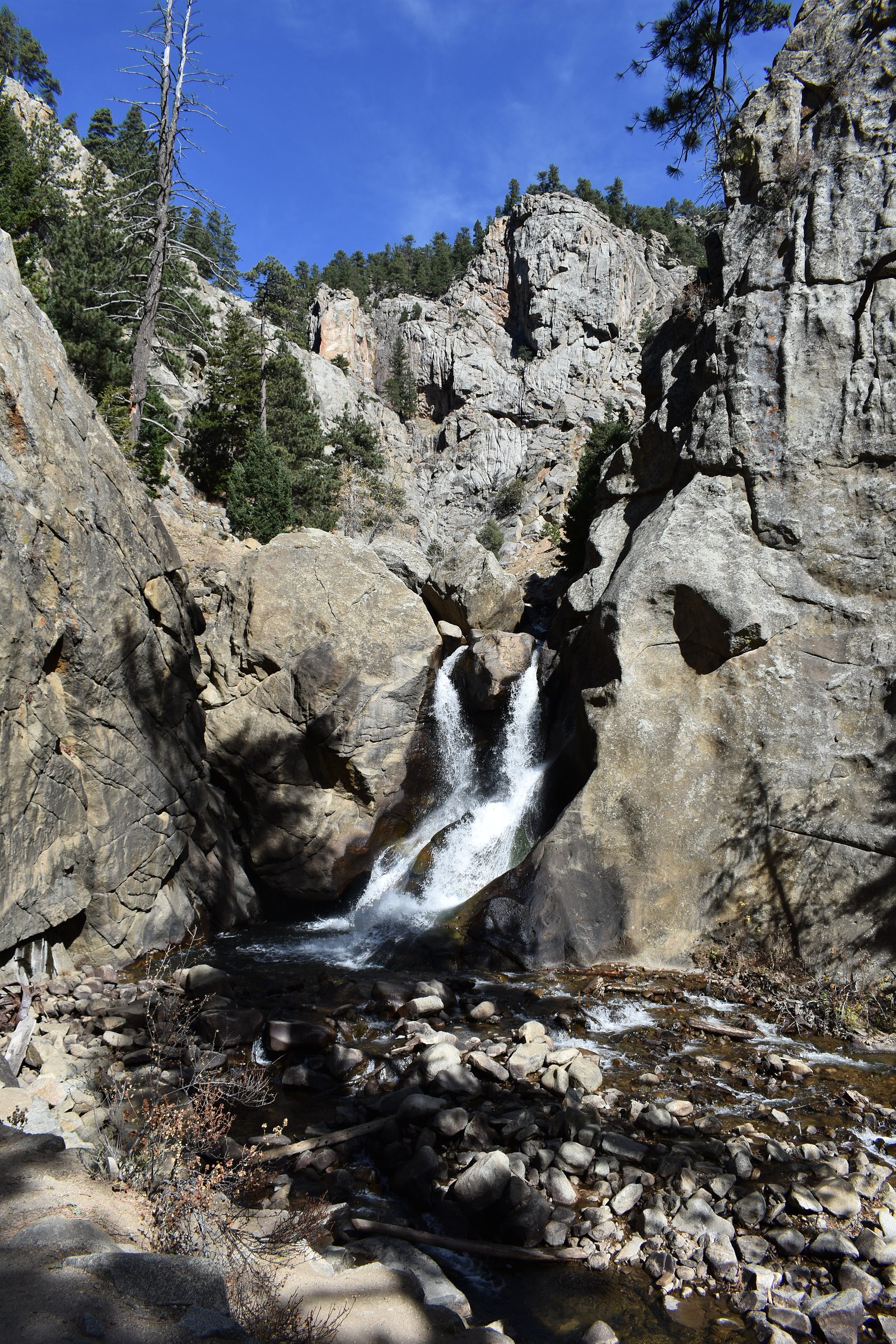
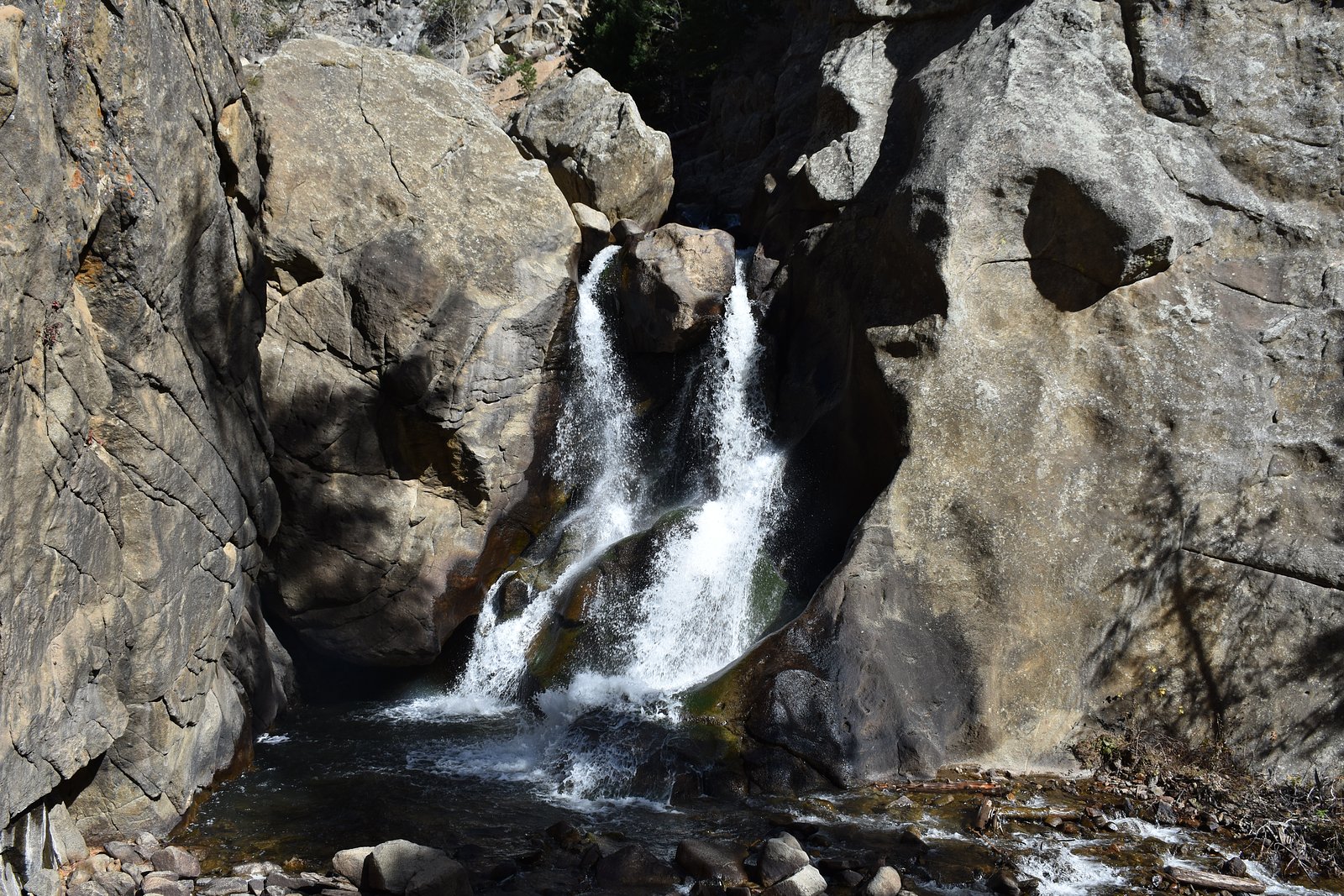
Boulder Falls (coordinates 67.459, -107.595) is a very remote waterfall in Nunavut. There is limited published information about this specific feature in major hiking or park databases. It appears to be in a sparsely traveled Arctic river/tundra setting; flow is likely highly seasonal (peaking with spring/summer snowmelt) and the falls may be small to moderate in height. No maintained infrastructure or visitor services are known at the site. Visitors should treat location details as approximate and plan for true backcountry conditions.
Why This Waterfall Exists
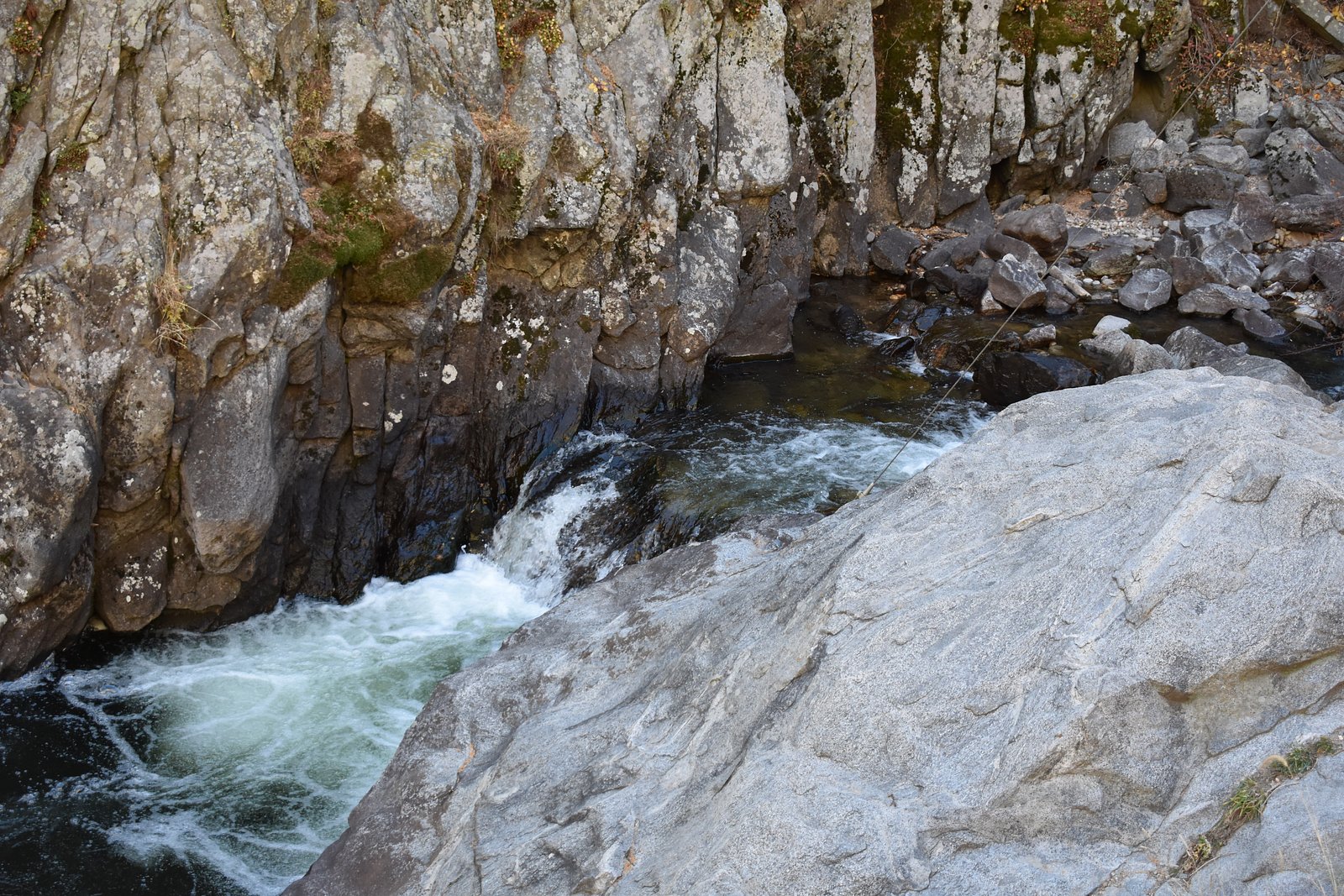
Boulder Falls flows over hard banded metamorphic rock, primarily gneiss, laid down over 2.5-4.0 billion years ago. These resistant rocks form a durable ledge that water cannot easily wear away, creating the falls where softer material downstream has already eroded.
Trail & Hike Details
Trail Description
There is no documented maintained trail to Boulder Falls. Approaches will likely be cross-country over tundra, riverbanks, or via watercraft. Expect uneven, wet, and rocky terrain with potential river crossings and no signage. Route-finding skills, experience in Arctic travel, and appropriate navigation equipment are required.
What to Expect
True backcountry conditions: no facilities, no cell coverage in many areas, potentially wet and muddy ground, unstable or slippery rocks near the falls, and rapidly changing weather. Flow is seasonal and may be reduced outside the snowmelt season. Wildlife in the region may include caribou, muskox, Arctic foxes, migratory birds, and potentially bears in coastal or riverine areas.
Accessibility
The trail involves steep, uneven terrain with significant elevation change and is not accessible to mobility devices.
Frequently Asked Questions
🐶 Are Dogs Allowed at Boulder Falls?
❌ Dogs are not allowed
Are There Any Fees or Permits Required?
🆖 No fees required
🏊 Is There Swimming at Boulder Falls?
❌ Swimming is not allowed
When to Visit
Late spring through summer (roughly June–August) is generally the most accessible and when flows from snowmelt are highest. Early spring and late fall can be very cold and may have limited daylight; winter is usually frozen and access is significantly more difficult and hazardous.
Seasonal Access
The best time to visit is Spring, Summer, and Fall. Winter access may be limited. Check with the managing park or local authority for current conditions.
Safety Information
Hazards include extreme remoteness, rapidly changing Arctic weather, hypothermia risk from cold water and wind, slippery cliffs and rocks near the falls, swift river currents, difficult or no cell service, and wildlife encounters. Emergency rescue may be delayed or unavailable. Carry emergency communications, travel with experienced partners, and have a solid contingency plan.
Is Boulder Falls Frozen?
Updated about 12 hours agoPartly frozen highs above freezing lately 6 more freezing days forecast
Boulder Falls is probably icing up: 7 freezing days in the last two weeks, with 6 more freezing days in the forecast. Expect icicles and ice at the edges with water still running through the middle.
- Days below freezing
- 7 of the last 14
- Current cold streak
- 0 days
- Freezing days ahead
- 6 of the next 7
- Flow
- no gauge
Winter safety. Frozen falls are the one waterfall trip with a documented injury pattern: falling ice, and ice-glazed rock and trail. Wear microspikes, keep well back from the base and from overhangs, and never walk out on ice over moving water.
Estimate from Open-Meteo daily temperatures at the falls, the LiDAR-measured facing direction, and the nearest stream gauge. It is a likelihood, not a report from the trail.
Weather Forecast
Location & Access
Getting There
This site is in remote Nunavut with no known public road access. Typical access to such locations in the region may require floatplane, helicopter, or an extended river/canoe route and multi-day overland travel. Navigation by GPS using the provided coordinates is strongly recommended. There are no marked approach trails recorded in official or widely used trail resources.
Get Directions on Google MapsParking
No formal parking or trailhead facilities are known. If arriving by aircraft, land at a safe, permitted location and follow local regulations.
Elevation
26 metres above sea level
Coordinates
67.458986° N, -107.595026° W
Visitor Tips & Gear
• Plan logistics well in advance; consider hiring a guide or charter operator experienced in Nunavut travel. • Inform local authorities or a trusted contact of your itinerary and expected return. • Use GPS coordinates and carry physical maps and compass; do not rely solely on mobile reception. • Prepare for cold water and fast currents; do not attempt close approaches to cliffs or the lip of the falls without proper caution. • Carry bear deterrents appropriate to the area (check local guidance) and know how to use them. • Pack layers, waterproof gear, and insect protection for summer months.
Where to Stay
Browse vacation cabins and private rentals nearby
Unique outdoor stays — tents, yurts, and treehouses
Rent a campervan or RV for your waterfall road trip
Some links are affiliate links. We may earn a commission at no extra cost to you.
Additional Information
Nearby Attractions
This part of Nunavut includes expansive tundra, river valleys, and opportunities for remote wildlife viewing and Arctic scenery. Specific nearby named attractions or developed sites are not documented for this exact coordinate and may be many kilometers away.
Wildlife
Potential wildlife includes caribou, muskox, Arctic fox, migratory birds, and possibly bears in some areas. Insects (black flies/mosquitoes) can be numerous in summer. Always assume the presence of wildlife and take precautions.
Other waterfalls named Boulder Falls
3 other waterfalls share this name across Canada.
Writing about Boulder Falls? Embed this waterfall on your site for free.