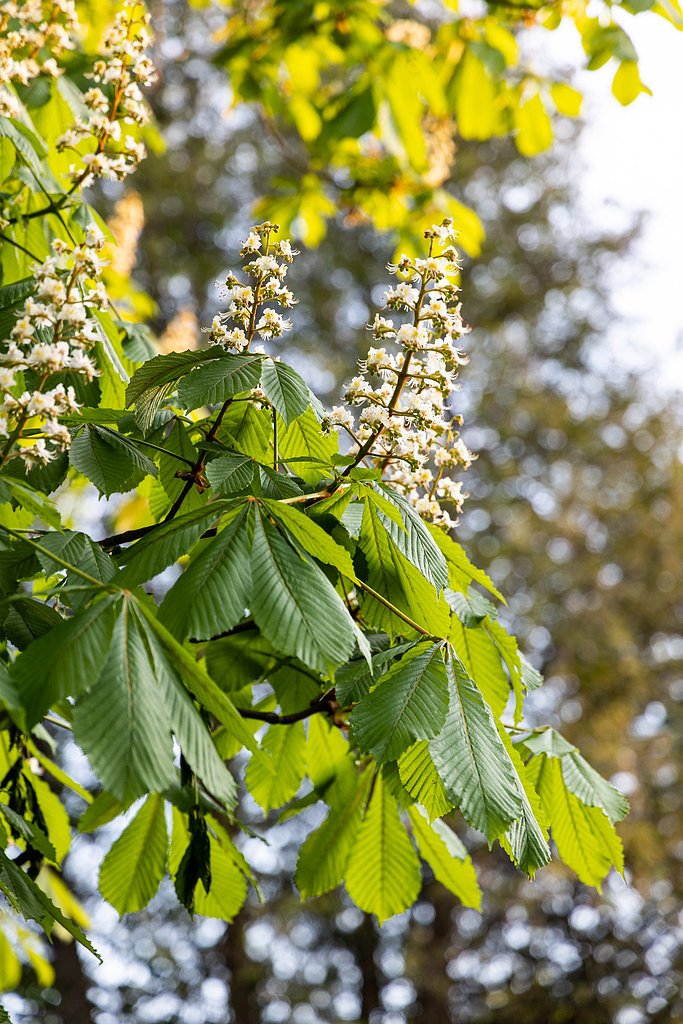
Photo Credits (5)
About Northern Light Falls
Northern Light Falls is a relatively remote, forested waterfall site on the Canadian side of the Lake Superior region (coordinates 48.2431, -90.7696). It appears as a natural cascade set in boreal forest, with seasonally variable flow: higher in spring snowmelt and after heavy rains, lower in late summer and winter when parts may be frozen or reduced to seepage. Specific published details (official name usage, exact mapped height, or developed facilities) are sparse; visitors should plan on minimal infrastructure and interpret this description as an overview rather than an authoritative guide.
Why This Waterfall Exists
Northern Light Falls flows over hard intrusive rock, primarily granodiorite and tonalite, laid down over 2.5-3.2 billion years ago. These resistant rocks form a durable ledge that water cannot easily wear away, creating the falls where softer material downstream has already eroded.
Trail & Hike Details
Trail Description
Detailed, authoritative trail descriptions are not readily available for Northern Light Falls. Expect an unmarked or minimally marked footpath from a roadside pullout, through mixed boreal forest and over uneven terrain with roots and rocks. The approach may include short steep sections, slippery rock near the stream, and wet or muddy stretches during spring thaw or after rain. Use of a GPS or offline map and basic navigation skills is recommended.
What to Expect
A natural, undeveloped waterfall in a forested setting. You will likely find a multi-step cascade or single drop over bedrock with a small plunge or pool at the base (size and depth vary seasonally). Surrounding vegetation is typical boreal/Great Lakes coastal forest (spruce, fir, birch, cedar) and mossy rock. Expect variable water volumes: peak flows in spring and after heavy rain, reduced flow in late summer, and possible ice/snow features in winter. Cell service is limited in many Lake Superior coastal areas.
Accessibility
Likely not wheelchair accessible. Trails and approaches appear to be natural, uneven, and possibly steep or muddy. Accessibility is limited and not formally developed.
Frequently Asked Questions
🐶 Are Dogs Allowed at Northern Light Falls?
❌ Dogs are not allowed
Are There Any Fees or Permits Required?
🆖 No fees required
🏊 Is There Swimming at Northern Light Falls?
❌ Swimming is not allowed
When to Visit
Late spring to early summer for highest flows and lush vegetation; early fall for fall colors and lower crowds. Winter offers frozen scenic features but more difficult and potentially hazardous travel (ice, deep snow, limited access).
Seasonal Access
The best time to visit is Spring, Summer, Fall, and Winter. Check with the managing park or local authority for current conditions.
Safety Information
• Expect limited or no cell coverage, inform someone of your plans and estimated return time. • Watch for slippery rock and unstable ledges near the waterfall; stay back from edges. • Water temperatures are very cold year-round; avoid entering plunge pools and be cautious about strong undercurrents. • Road access may require high-clearance or 4x4 vehicles; seasonal road closures and washouts can occur. • Bear country precautions: travel in groups if possible, make noise on trail, carry bear spray and know how to use it. • Check weather and snow conditions before visiting in shoulder seasons and winter; hypothermia risk exists with wet clothing and cold air/water temperatures.
Know when to go.
Get a free email alert when waterfalls near Atikokan hit peak flow. We only send when conditions are worth the trip — no weekly newsletters, no spam.
Weather Forecast
Location & Access
Getting There
Located at coordinates 48.2431, -90.7696 on the Canadian side of the Lake Superior region. Nearest named communities listed by the requester are Lutsen (~31.4 miles), Grand Marais (~41.6 miles) and Winton (~59.0 miles), these are on the U.S. side of Lake Superior; accessing the falls from those towns will require crossing the Canada–U.S. border. Local access typically involves driving from the Trans-Canada Highway (Ontario Hwy 17) or regional secondary/forestry roads and then hiking a short distance; exact access roads and parking locations are not well documented in major trail databases and may change seasonally. A high-clearance vehicle may be useful on unpaved roads, and some approaches may require walking across logging or unimproved land.
Get Directions on Google MapsParking
No confirmed formal parking lot or facilities. Expect a small pullout or informal parking area on a secondary road; park off the travel lane and avoid blocking access. There are likely no maintained restrooms or signage.
Elevation
438 metres above sea level
Coordinates
48.243089° N, -90.769598° W
Visitor Tips & Gear
• Plan for no facilities: bring water, snacks, and pack out all trash. • Wear sturdy, waterproof footwear with good traction; rocks and stream crossings may be slippery. • If coming from the U.S., ensure you have valid border-crossing documentation and check customs/entry requirements. • Check local road conditions and weather; forestry roads can be rough and may be seasonally closed. • Practice Leave No Trace: avoid creating new social trails and do not disturb vegetation or wildlife. • Exercise caution near cliff edges and plunge pools, wet rocks can be extremely slippery. • If you park on a shoulder or pullout, avoid blocking forestry or private access roads.
Where to Stay
Browse vacation cabins and private rentals nearby
Unique outdoor stays — tents, yurts, and treehouses
Rent a campervan or RV for your waterfall road trip
Some links are affiliate links. We may earn a commission at no extra cost to you.
Additional Information
Nearby Attractions
General Lake Superior shoreline scenery and coastal viewpoints, local hiking routes and forested backcountry. Nearest named communities provided by the requester (Lutsen, Grand Marais, Winton) may offer accommodations and services; expect to travel from those towns into Canada to reach the falls.
Wildlife
Typical regional wildlife may include black bears, moose, white-tailed deer, beavers, foxes, and a variety of birds (including waterfowl and raptors). Maintain distance from wildlife and store food securely.
Cities near Northern Light Falls
Nearby Waterfalls
Writing about Northern Light Falls? Embed this waterfall on your site for free.