Diableret Falls
British Columbia • Yoho National Park
By Armen Suny · Last verified Jun 2026
Partly frozen · 0 days below freezingAbout Diableret Falls
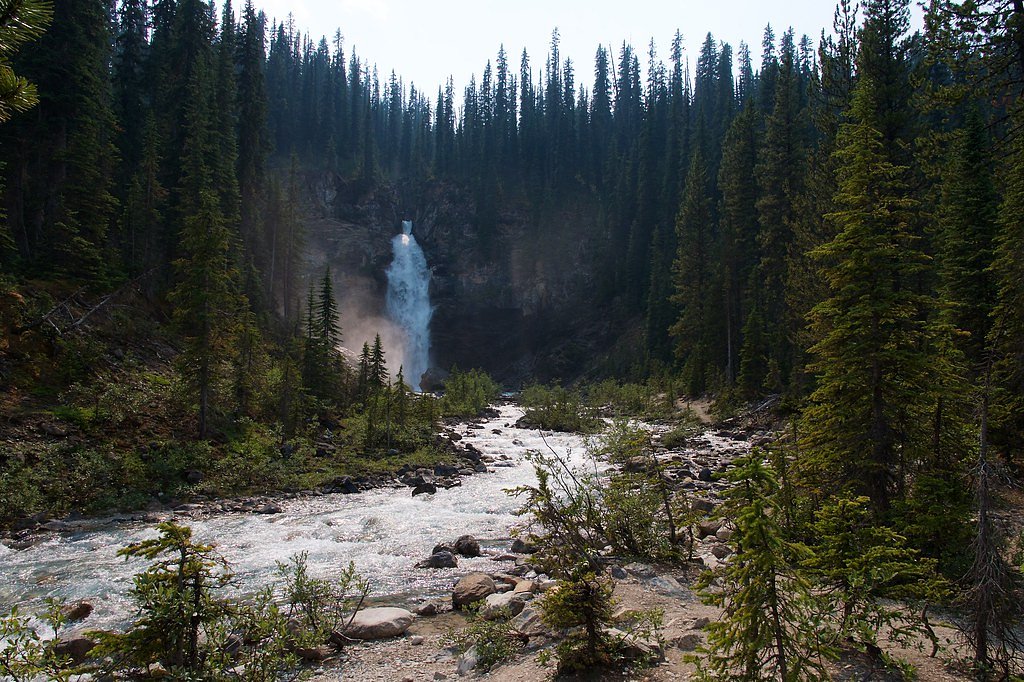
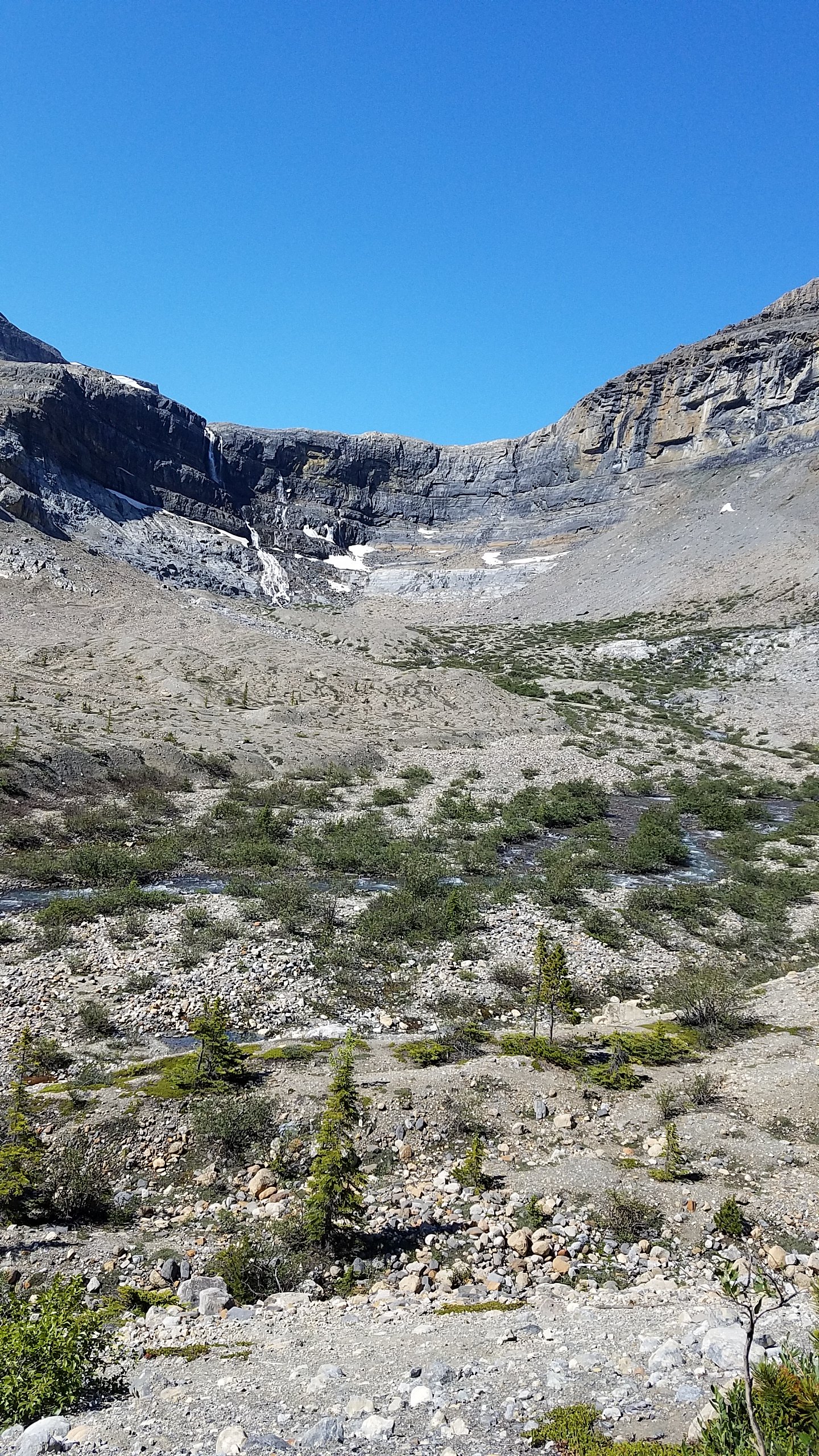
Diableret Falls is a remote cascade in the Canadian Rockies near the Lake Louise region. Located at approximately 51.5839, -116.5122, the falls sit in a forested mountain setting and are best known for seasonal snowmelt-fed flow (high in spring). Exact published information on official trailhead names and measured height is limited; observers describe the falls as a multi-step cascade dropping through a rocky steep-sided creek or gulch.
The Setting
Diableret Falls sits at 2,158 metres within Yoho National Park, in the high mountains of British Columbia.
Why This Waterfall Exists
Diableret Falls flows over layered sedimentary rock laid down about 485-539 million years ago. Over time, the stream has worn through these layers at different rates, creating the step that forms the waterfall.
Nearby Falls Worth Visiting
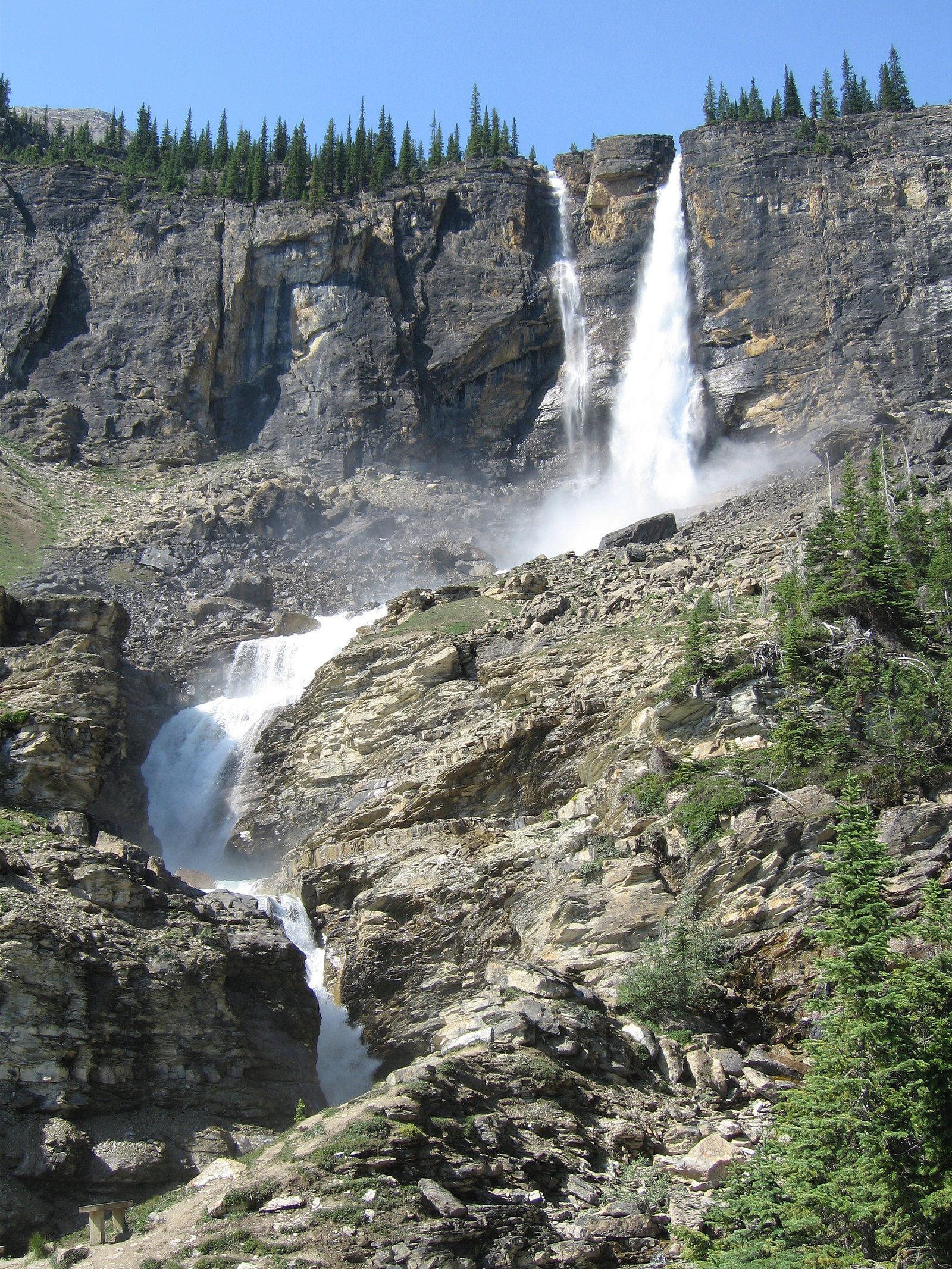
Twin Falls (180 m) lies 4.8 kilometres to the southwest. Also nearby: Bow Glacier Falls (125 m, 7.7 km) and Waves (91 m, 0.6 km).
Trail & Hike Details
Trail Description
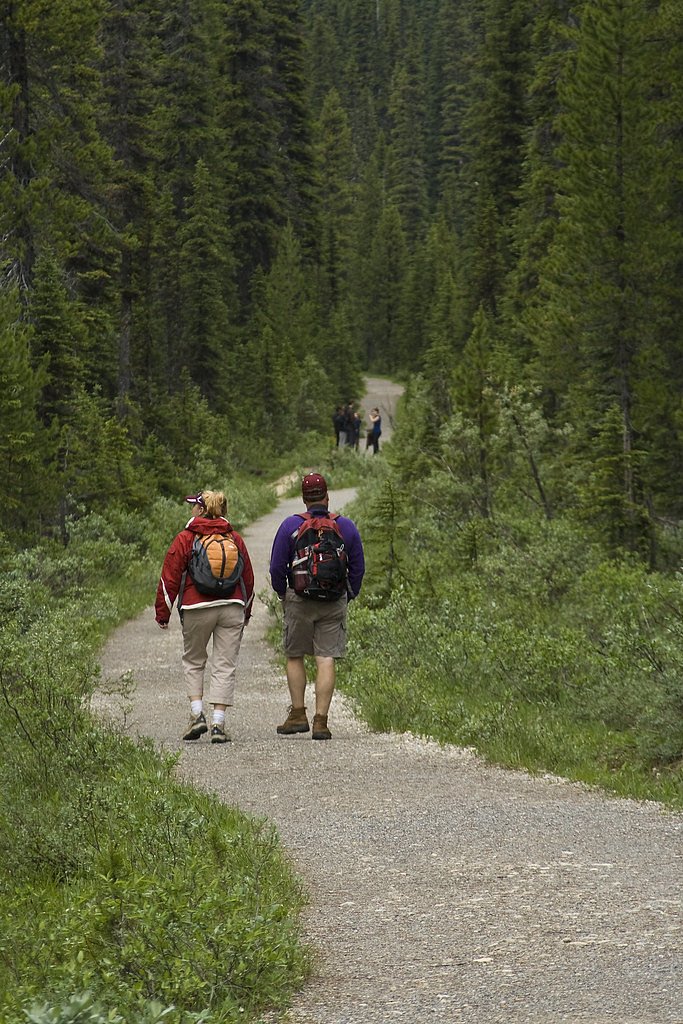
Detailed, widely published trail descriptions are not available for Diableret Falls. Approaches reported for similarly remote falls in this region are typically short to moderate hikes from a roadside pullout but may include poorly marked or user-created paths, steep, slippery sections, and route-finding through forest or scree. Hikers should be prepared for uneven footing and limited maintained infrastructure (no rails, boardwalks, or official viewpoints in many cases).
What to Expect
Expect a natural, possibly multi-tiered cascade in a wooded, alpine-to-subalpine setting. Water flow will be highest during spring snowmelt and after heavy rain; late summer flows can be reduced. There may be limited or no formal viewpoints; viewing could require scrambling to a safe vantage point. The area is likely remote with limited cell service and variable trail conditions (mud, snow, ice, loose rock).
Accessibility
Accessibility is likely limited. Trails (if present) are probably uneven, with roots, rocks, and steep sections; not suitable for wheelchairs or strollers. If accessibility features are important, consult local park/land managers for formal sites with developed viewpoints.
Frequently Asked Questions
🐶 Are Dogs Allowed at Diableret Falls?
❌ Dogs are not allowed
Are There Any Fees or Permits Required?
🆖 No fees required
🏊 Is There Swimming at Diableret Falls?
❌ Swimming is not allowed
When to Visit
Late spring to early summer for highest flows and scenic water volume. Mid-summer for more stable trail access and warmer weather. Early fall for fall color and lower crowds. Winter access is possible but may require winter skills (snowshoes/ice traction) and presents increased hazards, treat winter visits as backcountry travel.
Seasonal Access
The best time to visit is Spring, Summer, Fall, and Winter. Check with Yoho National Park for current conditions.
Safety Information
• Slippery rocks, steep banks, and unstable edges around the falls present fall hazards, stay well back from cliff edges. • Water is cold and currents near cascades can be deceptively strong; avoid swimming near the falls. • Spring melt and heavy rain can cause sudden increases in flow and washouts, exercise extra caution in high-water conditions. • Cell phone coverage may be limited, carry a map, compass, and let someone know your plans. • Weather in the mountains can change rapidly; bring appropriate clothing and emergency supplies.
Current Water Conditions
These readings come from the Water Survey of Canada gauge on Silverhorn Creek, 24.4 km away, not on Diableret Falls's own stream. Use them as a sign of whether the area is running wet or dry.
0.1 m³/s
Current discharge — how much water is flowing
Lower than usual for this time of year
Based on 55 years of record
7.27 m
Water depth at gauge
7-Day Discharge Trend
What does this mean for your visit?
Flow is lower than usual for this time of year.
About This Gauge
This gauge is on a regional waterway. Conditions at the falls may differ, especially after local rain.
7-Day Flow Outlook
Based on the WSC gauge SILVERHORN CREEK NEAR THE MOUTH (24 km away).
Today
Low
0.1 m³/s
5/10Tomorrow
Low
0.1 m³/s
4/10Sat
Moderate
0.1 m³/s
5/10Sun
Moderate
0.1 m³/s
5/10Mon
Low
0.1 m³/s
5/10Tue
Low
0.1 m³/s
5/10Wed
Low
0.1 m³/s
5/10Best window: Today — low flow, cloudy (trip score 5/10).
Best time of year: this gauge typically runs highest from late May to late August, peaking in June.
How we calculate this
This is a transparent outlook, not a precise forecast. We take the waterfall's current flow strength (how it ranks against its historical normal for today, from the nearest WSC stream gauge), carry that ranking forward along the gauge's seasonal curve, and nudge it for forecast rain. Confidence is highest for the next day or two and falls further out. Always check official conditions and your own judgment before visiting — high flows can be dangerous.
Know when to go.
Get a free email alert when waterfalls near Lake Louise hit peak flow. We only send when conditions are worth the trip — no weekly newsletters, no spam.
Is Diableret Falls Frozen?
Updated about 10 hours agoPartly frozen highs above freezing lately 3 more freezing days forecast
Diableret Falls is probably icing up: 2 freezing days in the last two weeks, with 3 more freezing days in the forecast. Expect icicles and ice at the edges with water still running through the middle.
- Days below freezing
- 2 of the last 14
- Current cold streak
- 0 days
- Freezing days ahead
- 3 of the next 7
- Flow
- no gauge
Winter safety. Frozen falls are the one waterfall trip with a documented injury pattern: falling ice, and ice-glazed rock and trail. Wear microspikes, keep well back from the base and from overhangs, and never walk out on ice over moving water.
Estimate from Open-Meteo daily temperatures at the falls, the LiDAR-measured facing direction, and the nearest stream gauge. It is a likelihood, not a report from the trail.
Weather Forecast
Location & Access
Getting There
The falls are in a backcountry/forested mountain area approximately 21.3 miles from Lake Louise and about 60.4 miles from Banff (user-supplied distances). Access typically requires driving on secondary roads and then hiking on an unmaintained or lightly maintained trail. Expect limited signage; approach may involve route-finding and cross-country sections. Confirm access with local land managers or ranger stations before travel.
Get Directions on Google MapsParking
Parking is likely limited to a small pullout or informal trailhead. If the feature is inside a national park or protected area, park passes or day-use permits may be required, verify with Parks Canada or local authorities. Do not block gates or private driveways.
Elevation
2,158 metres above sea level
Coordinates
51.583871° N, -116.512179° W
Land Management
Managed by Parks Canada Agency
Visitor Tips & Gear
• Confirm access and any park rules with local authorities (Parks Canada or provincial agencies) before you go. • Use a recent topographic map or GPS and be prepared to route-find; trails may be unmarked. • Wear sturdy footwear and expect muddy, slippery sections; bring traction devices in winter. • Carry bear spray and know how to use it; make noise on approach. • Avoid getting too close to the lip of the falls or wet rocks, they are slippery and can be unstable. • Leave no trace; pack out what you bring in. • If unsure about conditions, talk with local ranger stations, visitor centres (Lake Louise), or experienced local guides.
This trail sits at 7,080 ft above sea level
Elevated TrailUV radiation is roughly 28% stronger at this elevation than at sea level, and the dry air accelerates dehydration. Extra sun protection and fluids go a long way.
As an Amazon Associate, we earn from qualifying purchases.

Coppertone Sport SPF 50 Sunscreen
UV intensity jumps ~4% per 1,000 ft — at this elevation you can burn in half the time.

Sun Bum SPF 30 Lip Balm (3-Pack)
Lips have almost no natural UV protection and burn fast in thin, dry mountain air.

Liquid I.V. Electrolyte Packets
You lose moisture ~2x faster at elevation — electrolytes help you absorb water efficiently.

ROCKNIGHT Polarized UV400 Sunglasses
High-altitude glare off rock and water is intense — UV400 lenses block 99%+ of UVA/UVB.
Where to Stay
Browse vacation cabins and private rentals nearby
Unique outdoor stays — tents, yurts, and treehouses
Rent a campervan or RV for your waterfall road trip
Some links are affiliate links. We may earn a commission at no extra cost to you.
Nearby Campground
Twin Falls Campground
4.3 km away
Additional Information
Nearby Attractions
Lake Louise (approx. 21.3 miles away), other Lake Louise area attractions and trailheads. Depending on the exact route, there may be alpine lakes, viewpoints and backcountry routes in the broader region. Verify specific nearby attractions with local visitor centres.
Wildlife
Typical Canadian Rockies wildlife may be present: black and grizzly bears, elk, deer, moose, mountain goats, bighorn sheep, and smaller mammals and birds. Practice wildlife safety and store food properly.
Cities near Diableret Falls
Nearby Waterfalls
Writing about Diableret Falls? Embed this waterfall on your site for free.