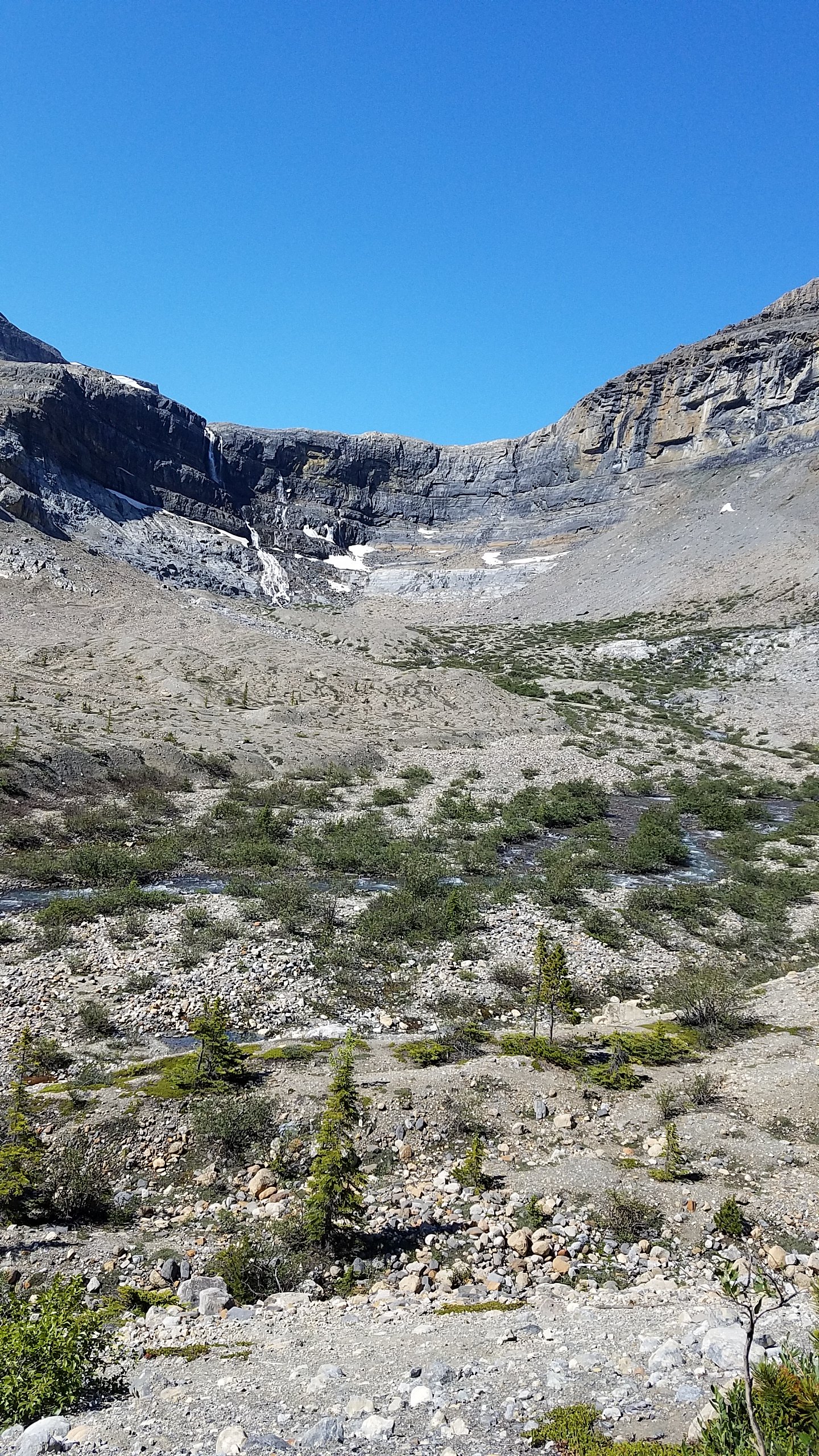
Bow Glacier Falls
Alberta • Banff National Park • 125 m
By Armen Suny · Last verified Oct 2026
Partly frozen · 0 days below freezingBefore you go
The trail reopened in July 2026 after a June 2025 rockfall killed two hikers. Stay on the trail and do not go past the signs marking its end; Parks Canada's assessment says further rockfalls are expected.
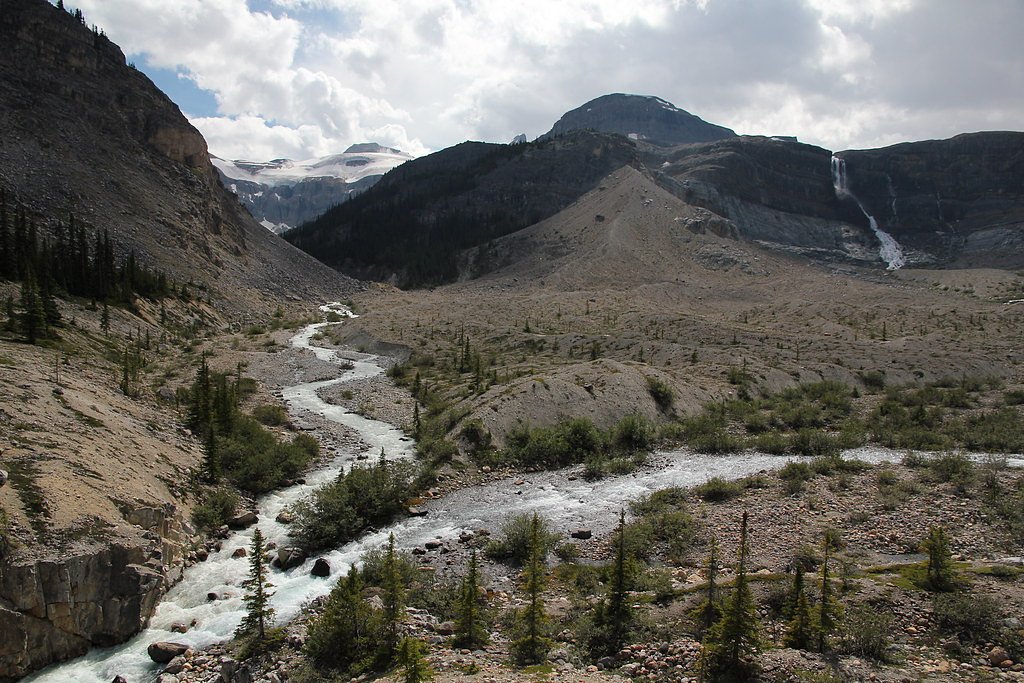
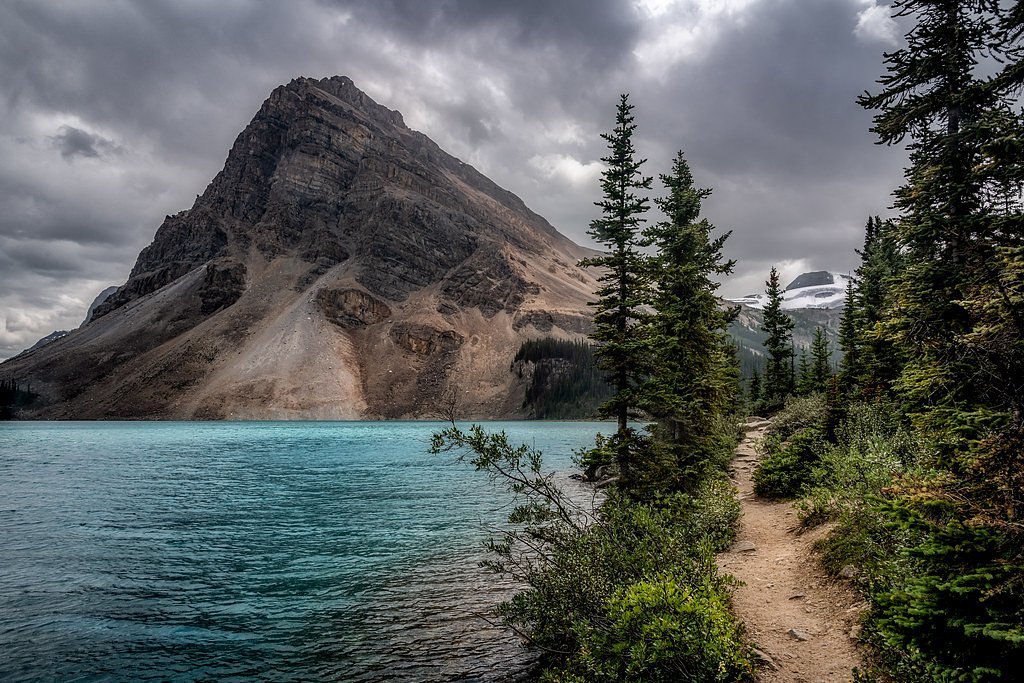
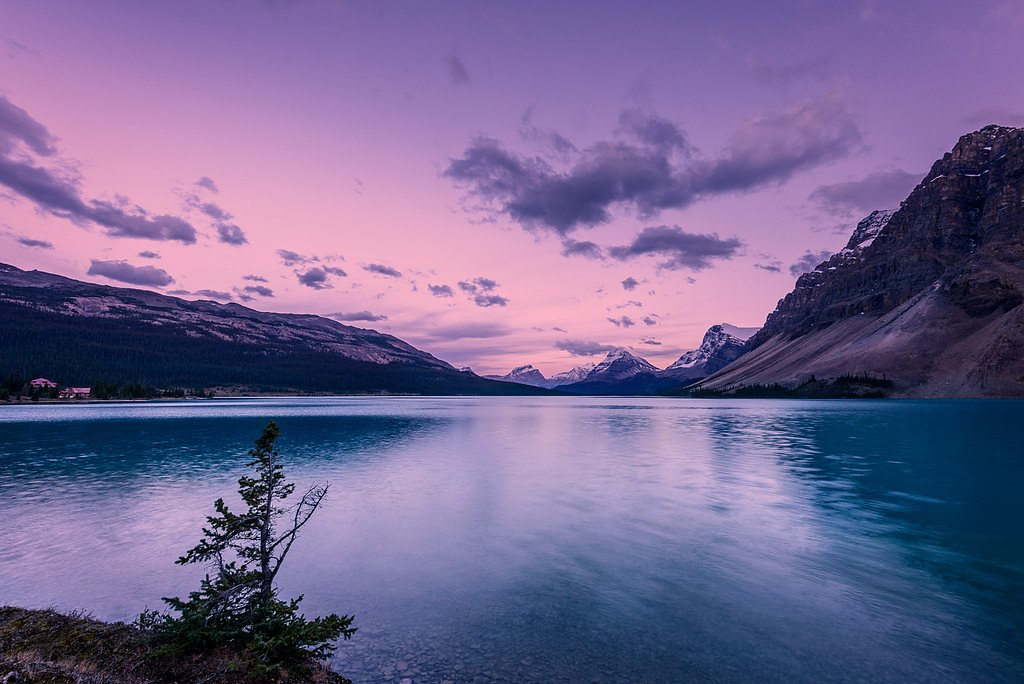
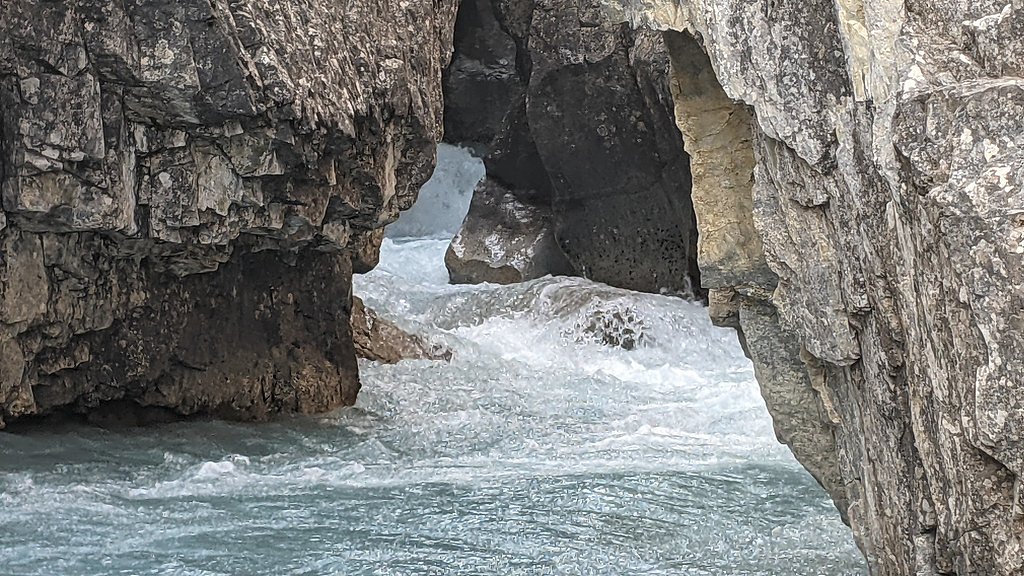

Photo Credits (5)
Difficulty
Moderate
Trail Length
7.6 km
Trail Type
Out And Back
Elevation Gain
95 m
About Bow Glacier Falls
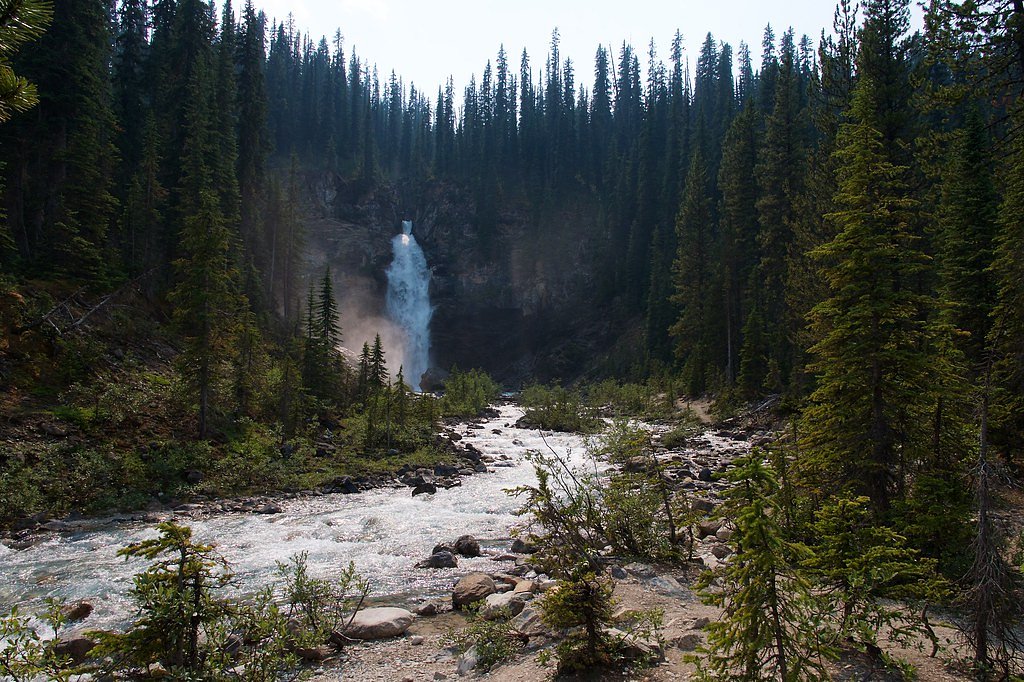
Bow Glacier Falls drops about 120 m (410 ft) from the cliffs below Bow Glacier, and its meltwater flows into Bow Lake, the source of the Bow River, in Banff National Park. The Parks Canada trail runs 3.8 km one way from the Bow Lake parking lot on the Icefields Parkway, 36 km north of the Lake Louise junction. The trail reopened in July 2026 after a fatal rockfall near the falls in June 2025.
The Setting
Bow Glacier Falls sits at 2,214 metres within Banff National Park, in the high mountains of Alberta. At 125 metres, it is among the taller waterfalls in Alberta.
Why This Waterfall Exists
Bow Glacier Falls flows over layered sedimentary rock laid down about 323-419 million years ago. Over time, the stream has worn through these layers at different rates, creating a 410-foot drop that forms the waterfall.
Nearby Falls Worth Visiting
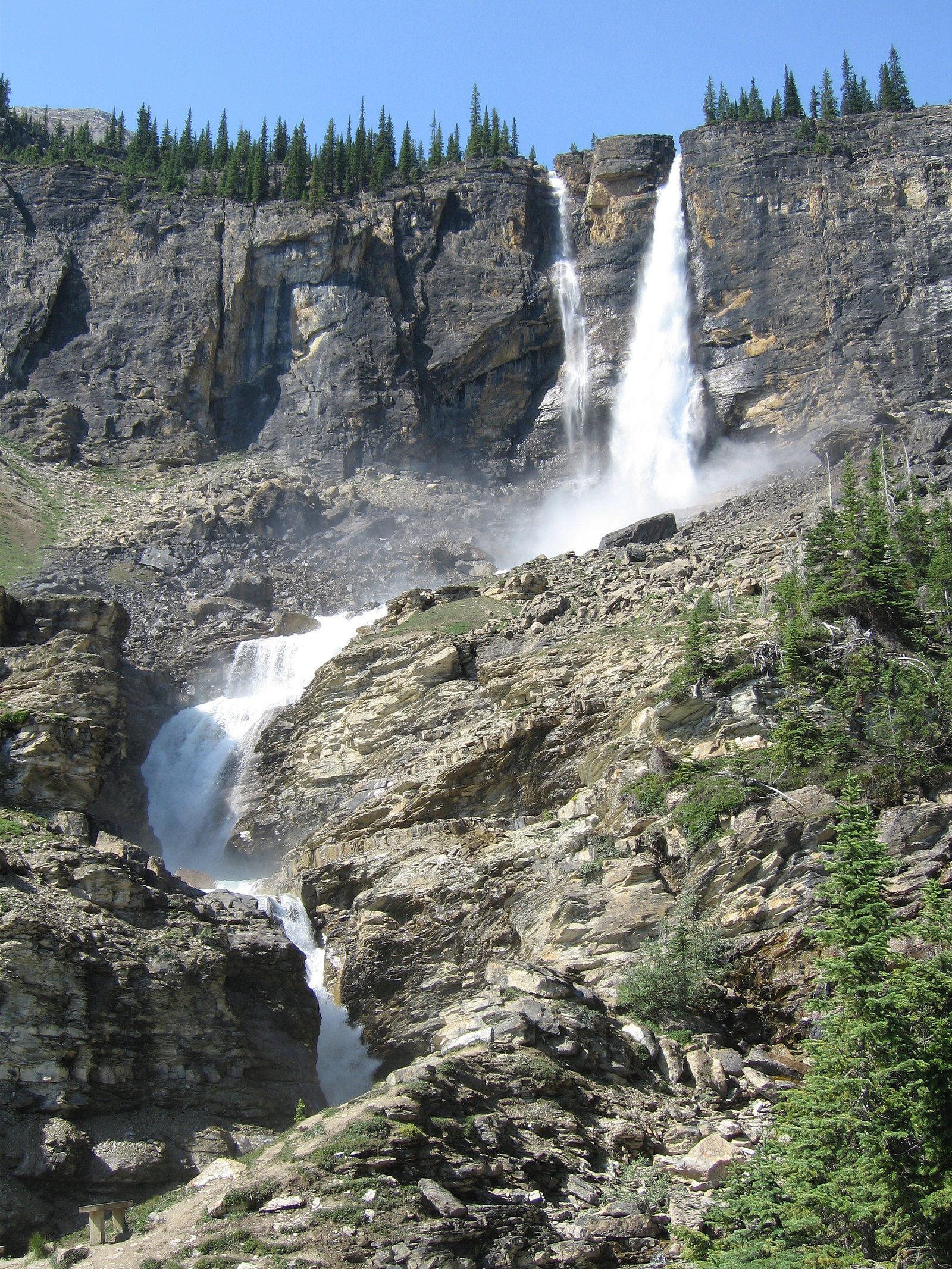
Twin Falls (180 m) lies 12.6 kilometres to the south. Also nearby: Waves (91 m, 8.2 km) and Laughing Falls (30 m, 13.7 km).
Trail & Hike Details
The Approach
The moderate 7.6-km out-and-back trail gains 95 metres of elevation on the way to the falls.
Trail Description
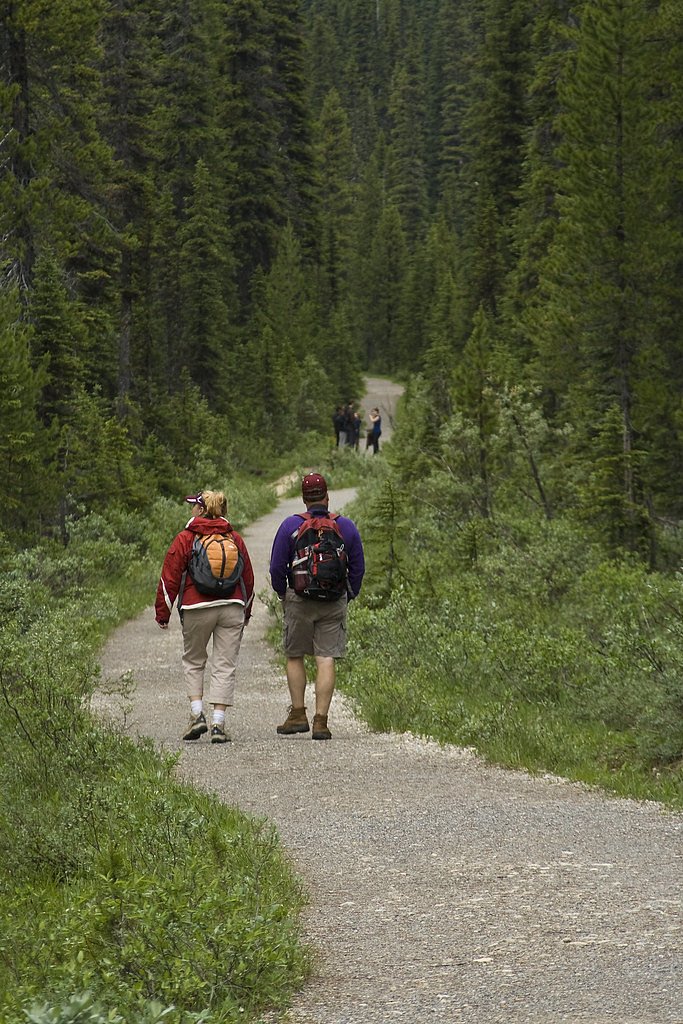
From the Bow Lake parking lot, the trail runs 3.8 km one way to the falls area, with about 95 m of elevation gain and 20 m of loss; allow about 3 hours round trip. Signs now mark the end of the official trail. Parks Canada warns that going past them puts you in a high-risk rockfall area, and nothing physically stops you from leaving the trail.
What to Expect
The falls plunge a dramatic 125 metres over layered sedimentary rock. Dogs are welcome.
Accessibility
The trail is not wheelchair accessible. Uneven terrain and elevation changes require steady footing.
Frequently Asked Questions
🐶 Are Dogs Allowed at Bow Glacier Falls?
✅ Dogs are allowed
Dogs are allowed in Parks Canada places on a leash 3 m (about 10 ft) or shorter and must be under control at all times.
Are There Any Fees or Permits Required?
🤑 Fees are required
🏊 Is There Swimming at Bow Glacier Falls?
❌ Swimming is not allowed
When to Visit
Summer (July–September) for the easiest access and snow-free trails; late spring (May–June) brings high flows from snowmelt and dramatic runoff but may have lingering snow and muddy conditions. Fall can offer quieter trails and good light for photography. Winter access is possible but requires winter gear and awareness of road closures and avalanche risk, many visitors view the falls from the road or short snowshoe routes.
Seasonal Access
The best time to visit is Spring, Summer, Fall, and Winter. Check with Banff National Park for current conditions.
Safety Information
Hazards include rapidly changing mountain weather, cold glacial water, slippery/unstable banks, high water flow in spring/summer, and wildlife encounters (including bears). Cell phone coverage is intermittent. Carry appropriate clothing, emergency supplies, and let someone know your plans. Do not approach the water's edge or attempt to cross glacial streams. Check Parks Canada advisories and Icefields Parkway road conditions before travel.
Current Water Conditions
These readings come from the Water Survey of Canada gauge on Silverhorn Creek, 17.2 km away, not on Bow Glacier Falls's own stream. Use them as a sign of whether the area is running wet or dry.
0.1 m³/s
Current discharge — how much water is flowing
Lower than usual for this time of year
Based on 55 years of record
7.27 m
Water depth at gauge
7-Day Discharge Trend
What does this mean for your visit?
Flow is lower than usual for this time of year.
About This Gauge
This gauge is on a nearby waterway and may not reflect exact conditions at the falls.
7-Day Flow Outlook
Based on the WSC gauge SILVERHORN CREEK NEAR THE MOUTH (17 km away).
Today
Moderate
0.1 m³/s
5/10Tomorrow
Moderate
0.1 m³/s
5/10Sat
Moderate
0.1 m³/s
5/10Sun
Moderate
0.1 m³/s
5/10Mon
Low
0.1 m³/s
5/10Tue
Low
0.1 m³/s
5/10Wed
Low
0.1 m³/s
5/10Best window: Today — moderate flow, light drizzle (trip score 5/10).
Best time of year: this gauge typically runs highest from late May to late August, peaking in June.
How we calculate this
This is a transparent outlook, not a precise forecast. We take the waterfall's current flow strength (how it ranks against its historical normal for today, from the nearest WSC stream gauge), carry that ranking forward along the gauge's seasonal curve, and nudge it for forecast rain. Confidence is highest for the next day or two and falls further out. Always check official conditions and your own judgment before visiting — high flows can be dangerous.
Know when to go.
Get a free email alert when waterfalls near Lake Louise hit peak flow. We only send when conditions are worth the trip — no weekly newsletters, no spam.
Is Bow Glacier Falls Frozen?
Updated about 11 hours agoPartly frozen highs above freezing lately 4 more freezing days forecast
Bow Glacier Falls is probably icing up: 3 freezing days in the last two weeks, with 4 more freezing days in the forecast. Expect icicles and ice at the edges with water still running through the middle.
- Days below freezing
- 3 of the last 14
- Current cold streak
- 0 days
- Freezing days ahead
- 4 of the next 7
- Flow
- no gauge
Winter safety. Frozen falls are the one waterfall trip with a documented injury pattern: falling ice, and ice-glazed rock and trail. Wear microspikes, keep well back from the base and from overhangs, and never walk out on ice over moving water.
Estimate from Open-Meteo daily temperatures at the falls, the LiDAR-measured facing direction, and the nearest stream gauge. It is a likelihood, not a report from the trail.
Weather Forecast
Location & Access
Getting There
Drive the Icefields Parkway (Highway 93) 36 km north of the Lake Louise junction to Bow Lake. The trailhead is at the Bow Lake parking lot, 400 m down the Lodge at Bow Lake access road.
Get Directions on Google MapsParking
Park at the Bow Lake parking lot on the Lodge at Bow Lake access road. It fills on summer days, so arrive early and do not block the road or pullouts.
Elevation
2,214 metres above sea level
Coordinates
51.652886° N, -116.498390° W
Land Management
Managed by Parks Canada Agency
Visitor Tips & Gear
Arrive early in summer to secure parking. Dress in layers and bring wind/rain protection, weather can change rapidly. Wear sturdy footwear for uneven, rocky, and potentially slippery trails. Carry bear spray and know how to use it; keep dogs leashed and under control (confirm Parks Canada rules before visiting). Do not attempt to climb on unstable banks or get close to glacial streams, sediment-laden water and swift currents are hazardous. Check Parks Canada and Alberta road reports for Icefields Parkway conditions and any road or trail closures.
This trail sits at 7,264 ft above sea level
Elevated TrailUV radiation is roughly 29% stronger at this elevation than at sea level, and the dry air accelerates dehydration. Extra sun protection and fluids go a long way.
As an Amazon Associate, we earn from qualifying purchases.

Coppertone Sport SPF 50 Sunscreen
UV intensity jumps ~4% per 1,000 ft — at this elevation you can burn in half the time.

Sun Bum SPF 30 Lip Balm (3-Pack)
Lips have almost no natural UV protection and burn fast in thin, dry mountain air.

Liquid I.V. Electrolyte Packets
You lose moisture ~2x faster at elevation — electrolytes help you absorb water efficiently.
ROCKNIGHT Polarized UV400 Sunglasses
High-altitude glare off rock and water is intense — UV400 lenses block 99%+ of UVA/UVB.
As an Amazon Associate, we earn from qualifying purchases.
With 7.6 km and 95 m of elevation gain, sturdy boots and trekking poles will help on this moderate trail. Icy conditions are common in winter — traction cleats are a smart addition.

Columbia Watertight II Rain Jacket
Packs into its own pocket, seam-sealed, and keeps you dry from spray and surprise rain.

Polarized Sunglasses (Knockaround)
Cuts glare off the water so you actually see the falls — and your photos turn out better too.

Earth Pak Waterproof Dry Bag
Keeps your phone and gear dry when waterfall mist soaks everything else.
Waterproof Phone Pouch (AiRunTech)
Cheap insurance — take photos right next to the falls without killing your phone.

Timberland Euro Sprint Mid Waterproof
Trusted waterproof boot with premium leather and grippy rubber sole — reliable on rocky, wet trails.

TrailBuddy Trekking Poles
Lightweight aluminum, cork grips, and flip-locks that actually hold — a best-seller for good reason.
Where to Stay
Browse vacation cabins and private rentals nearby
Unique outdoor stays — tents, yurts, and treehouses
Rent a campervan or RV for your waterfall road trip
Some links are affiliate links. We may earn a commission at no extra cost to you.
Nearby Campground
Mosquito Creek Campsite
13.3 km away
Additional Information
Nearby Attractions
Bow Lake and the Lodge at Bow Lake are at the trailhead, and the Crowfoot Glacier and Peyto Lake viewpoints are a short drive away on the Icefields Parkway. Lake Louise is 36 km south.
Wildlife
Black bears, grizzly bears, elk, deer, mountain goats, and smaller mammals and birds are present in the region. Practice wildlife safety and keep distance.
Cities near Bow Glacier Falls
Nearby Waterfalls
Writing about Bow Glacier Falls? Embed this waterfall on your site for free.