Trixie Falls
Washington • Mount Rainier National Park
By Armen Suny · Last verified Sep 2026
LiDAR & 3D terrain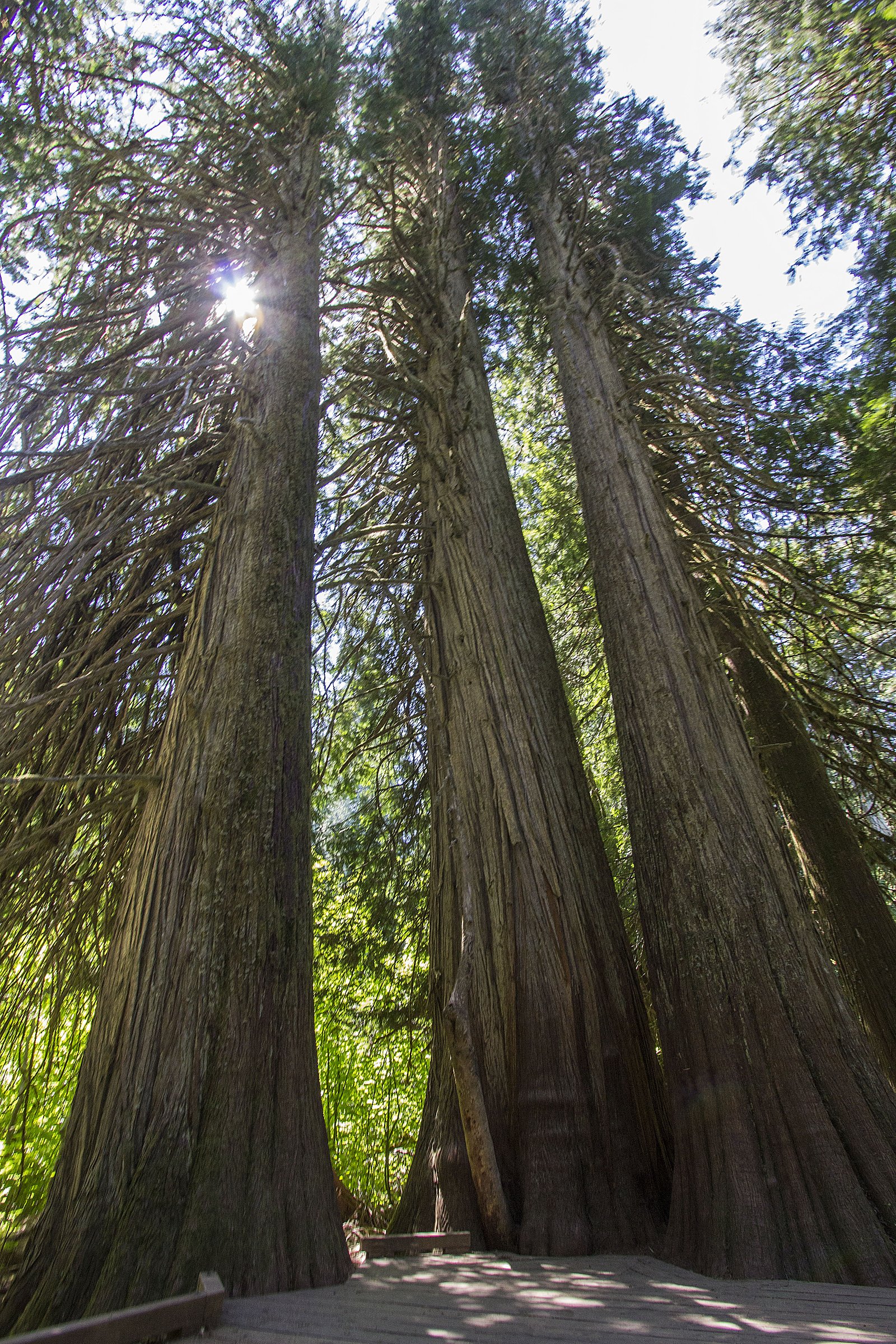
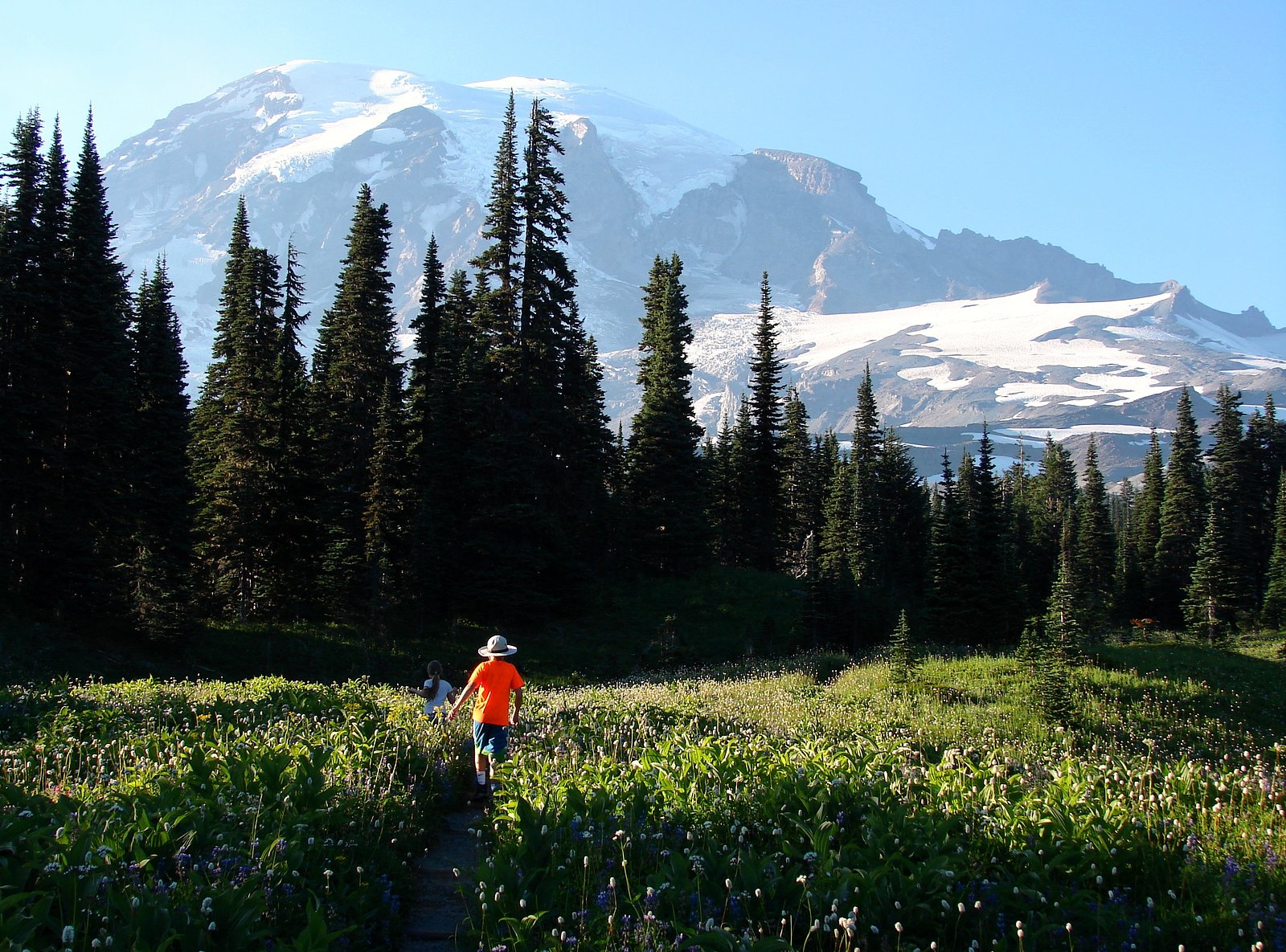
Photo Credits (4)
About Trixie Falls
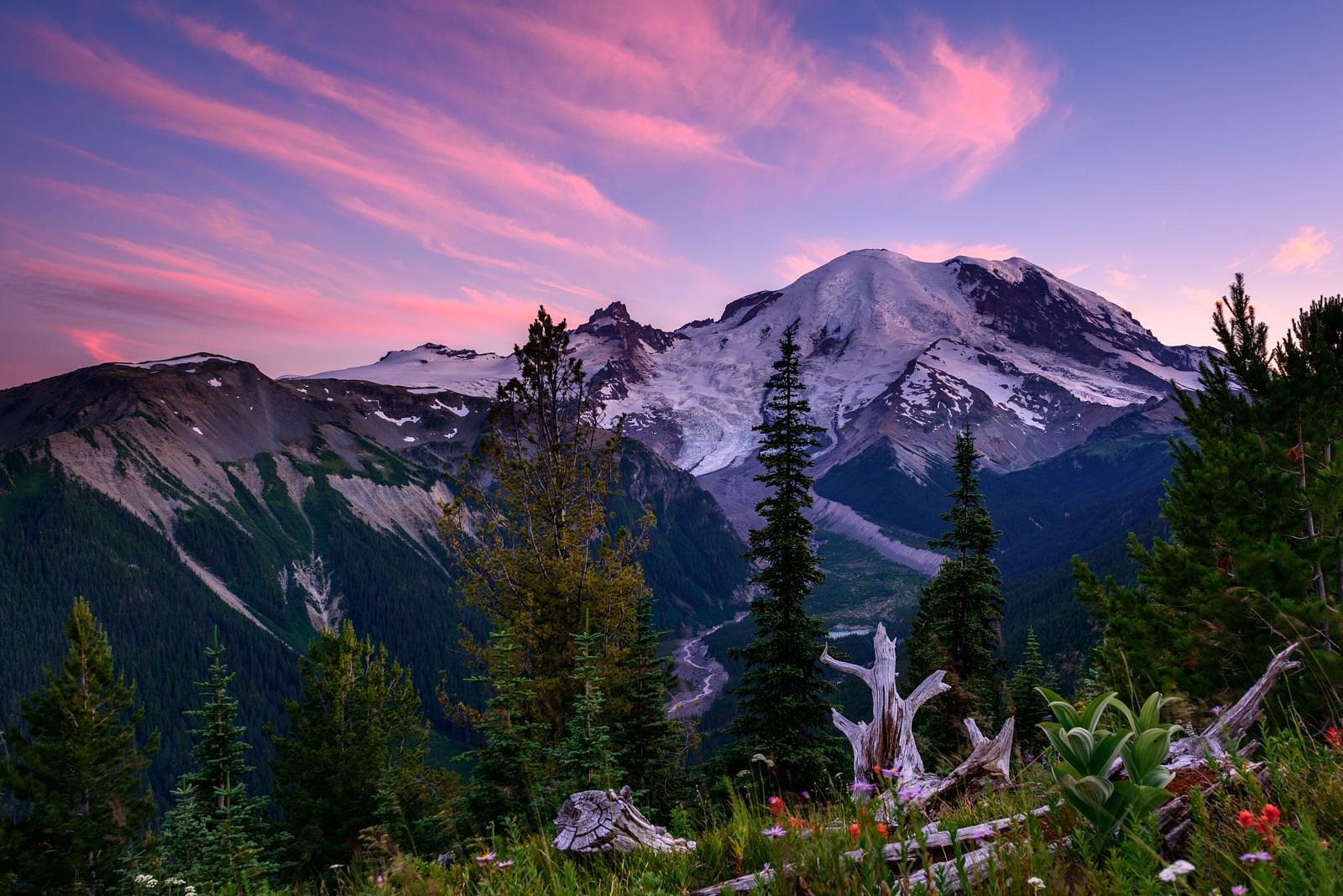
Trixie Falls is a lesser-known cascade tucked into the forested slopes of Mount Rainier National Park, managed by the National Park Service. The falls offer a tranquil, mossy setting that rewards hikers seeking a quieter experience within the park; specific measurements for the waterfall’s height are not well-documented. Surrounded by old-growth forest and fern-filled benches, it’s an inviting spot for photographers and nature lovers who appreciate off-the-beaten-path views of mountain waterways. Access to Trixie Falls is via a moderate out-and-back hike of about 2.4 miles with roughly 350 feet of elevation gain, making it a pleasant half-day outing for most visitors. Because the falls lie inside Mount Rainier National Park, check current trail conditions and any park advisories with the National Park Service before you go.
The Setting
Trixie Falls sits at 5,945 feet within Mount Rainier National Park, fed by the Cowlitz River, in the high mountains of Washington.
Trail & Hike Details
Trail Description
Trail length: 2.4 miles round-trip (out-and-back); elevation gain: ~350 feet; difficulty: moderate. This route lies entirely within Mount Rainier National Park (managed by the National Park Service). Surface, grade, and formal trail-class details are not provided in the available records; hikers should consult the National Park Service for up-to-date trail conditions, closures, and route guidance before setting out.
What to Expect
Visitors can expect a tranquil forest setting with a cascading waterfall. The area may be less crowded compared to more popular waterfalls in Washington.
Accessibility
Accessibility information is not available. The trail may not be suitable for individuals with mobility challenges.
Frequently Asked Questions
🐶 Are Dogs Allowed at Trixie Falls?
❌ Dogs are not allowed
Are There Any Fees or Permits Required?
🆖 No fees required
🏊 Is There Swimming at Trixie Falls?
❌ Swimming is not allowed
When to Visit
Spring and early summer are ideal times to visit, as the waterfall is likely to have the strongest flow due to snowmelt and rainfall.
Seasonal Access
The best time to visit is Spring, Summer, Fall, and Winter. Check with Mount Rainier National Park for current conditions.
Safety Information
Visitors should be cautious of slippery rocks near the waterfall and changing weather conditions. Cell service may be limited in the area.
Current Water Conditions
333 ft³/s
Current discharge — how much water is flowing
Lower than usual for this time of year
Based on 96 years of record
0.99 ft
Water depth at gauge
7-Day Discharge Trend
What does this mean for your visit?
Flow is lower than usual for this time of year.
About This Gauge
This gauge is on a nearby waterway and may not reflect exact conditions at the falls.
7-Day Flow Outlook
Based on the USGS gauge COWLITZ RIVER AT PACKWOOD, WA (23 km away).
Today
Moderate
333 cfs
8/10Tomorrow
Moderate
325 cfs
8/10Tue
Moderate
313 cfs
8/10Wed
Moderate
314 cfs
8/10Thu
Moderate
338 cfs
6/10Fri
Moderate
339 cfs
6/10Sat
Moderate
317 cfs
9/10Best window: Sat — moderate flow, partly sunny (trip score 9/10).
Best time of year: this gauge typically runs highest from mid April to mid July, peaking in June.
How we calculate this
This is a transparent outlook, not a precise forecast. We take the waterfall's current flow strength (how it ranks against its historical normal for today, from the nearest USGS stream gauge), carry that ranking forward along the gauge's seasonal curve, and nudge it for forecast rain. Confidence is highest for the next day or two and falls further out. Always check official conditions and your own judgment before visiting — high flows can be dangerous.
Know when to go.
Get a free email alert when waterfalls near Packwood hit peak flow. We only send when conditions are worth the trip — no weekly newsletters, no spam.
Weather Forecast
The Terrain, Seen by LiDAR
Aircraft-mounted lasers measured this ground to within inches. Trees and buildings are digitally stripped away, leaving the bare shape of the land the water has carved.
The ground through the falls loses about 238 feet in steep steps rather than one leap. The ground at the falls is roughly 5,933 feet above sea level.
Steep ground runs through the entire stretch: about 136 feet of descent in the 500 feet above the pin and 122 feet in the 500 feet below it. Facing southwest, the falls sit in full sun for most of the day, best photographed early or late.
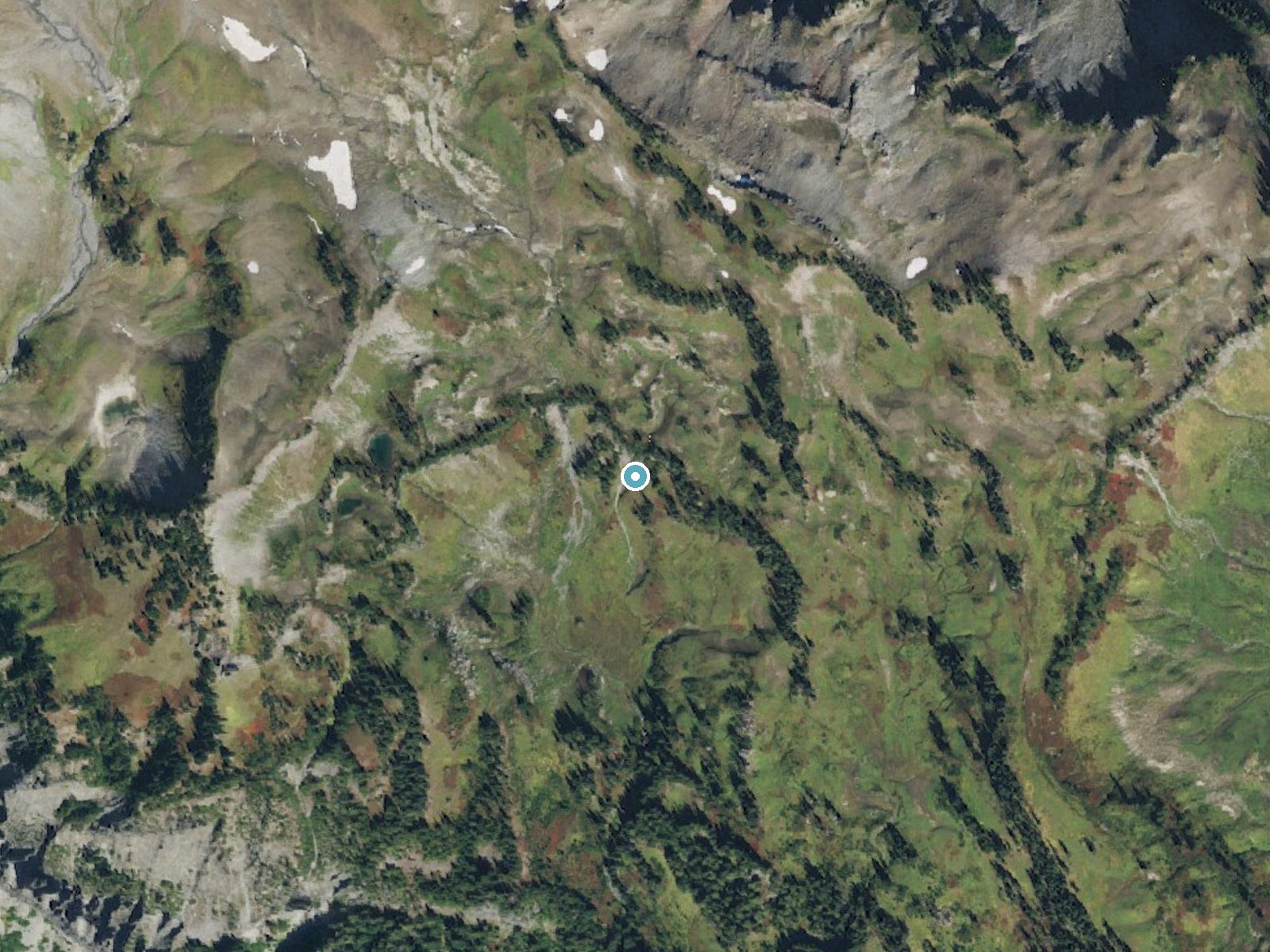
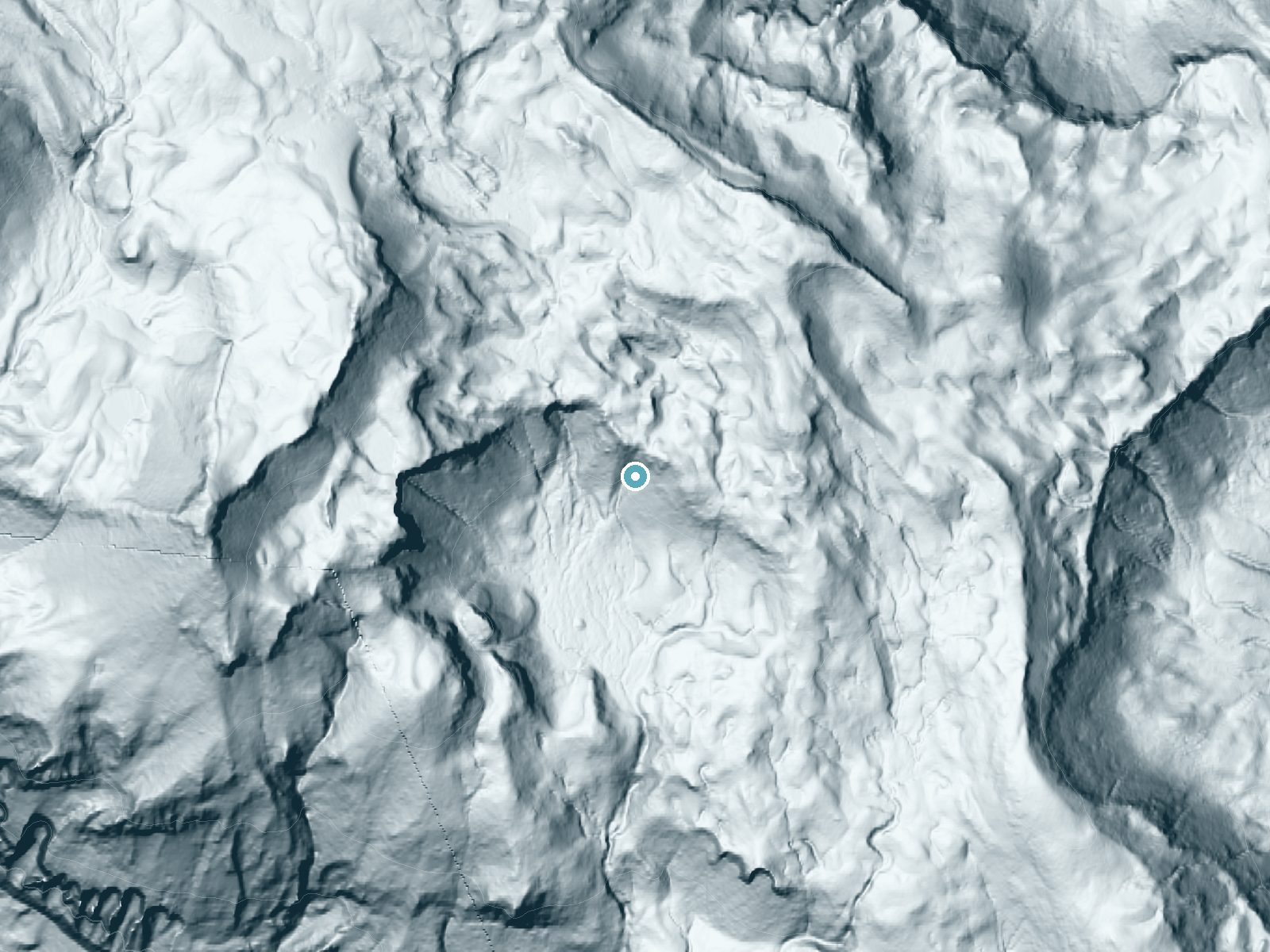
Drag to compare. The dot marks the waterfall. The frame is about a mile across.
- Ground elevation
- 5,933 feet
- Measured by 3-meter lidar
- Drop at the falls
- About 238 feet
- Change in ground height within ~250 feet of the falls
- Faces
- Southwest
- Sunlit most of the day. Go early or late for softer light.
A slice through the lidar ground surface, from above the falls to downstream (heading southwest).
Elevation data: USGS 3D Elevation Program. Aerial imagery: USGS The National Map. Public domain.
Location & Access
Getting There
The exact location of Trixie Falls is not widely documented, but it is believed to be accessible via forest roads and a short hike. Visitors should consult local trail maps or guides for precise directions.
Get Directions on Google MapsParking
Parking availability is unclear, but visitors may need to park along forest roads or at a nearby trailhead.
Elevation
5,945 feet above sea level
Coordinates
46.815110° N, -121.647870° W
Land Management
Managed by NPS
Visitor Tips & Gear
Bring a map or GPS device as the trail may not be well-marked. Wear sturdy footwear and be prepared for changing weather conditions.
This trail sits at 5,945 ft above sea level
Elevated TrailUV radiation is roughly 24% stronger at this elevation than at sea level, and the dry air accelerates dehydration. Extra sun protection and fluids go a long way.
As an Amazon Associate, we earn from qualifying purchases.

Coppertone Sport SPF 50 Sunscreen
UV intensity jumps ~4% per 1,000 ft — at this elevation you can burn in half the time.

Sun Bum SPF 30 Lip Balm (3-Pack)
Lips have almost no natural UV protection and burn fast in thin, dry mountain air.

Liquid I.V. Electrolyte Packets
You lose moisture ~2x faster at elevation — electrolytes help you absorb water efficiently.

ROCKNIGHT Polarized UV400 Sunglasses
High-altitude glare off rock and water is intense — UV400 lenses block 99%+ of UVA/UVB.
Where to Stay
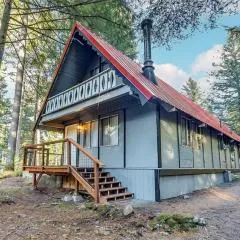
Tiny Timber
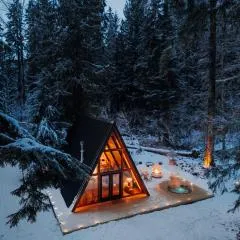
Lafa Cabin - Luxe A Frame Retreat with Hot Tub, Sauna, Firepit- 5 Min to Mt Rainier
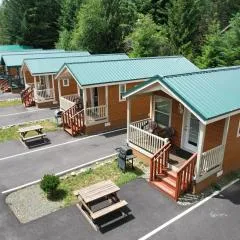
Packwood Lodge & Cabins
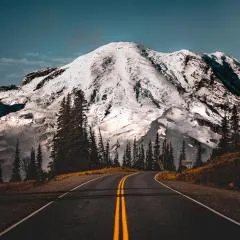
Gateway Inn & Cabins
Browse vacation cabins and private rentals nearby
Unique outdoor stays — tents, yurts, and treehouses
Rent a campervan or RV for your waterfall road trip
Some links are affiliate links. We may earn a commission at no extra cost to you.
Nearby Campground
COUGAR ROCK CAMPGROUND
7.7 miles away · 184 sites
Overview Cougar Rock Campground, on the southwest side of Mt. Rainier National Park, is conveniently located near Paradise. Individual campsites are reservable on this page. Group campsite reservations can be made via Cougar Rock Group Campground. Paradise is the most popular destination in the park, with a lodge and visitor center, many miles of hiking trails and a commanding view of the mountain-the highest in the state and Cascade range. The main attraction at Mount Rainier National Park is t
Book on Recreation.govNearby Hot Springs
Hot springs near Wilkeson, Washington

Mt Rainier Fumaroles
Mount Rainier fumaroles reach 162 degrees at 14,217 feet elevation, emerging 154.8 degrees above ambient at Washington's highes...

Ohanapecosh Hot Springs
Ohanapecosh Hot Springs flows at 122 degrees within Mount Rainier National Park at 1,920 feet elevation, emerging 74.5 degrees ...

Longmire Mineral Springs
Longmire Mineral Springs flows at 77 degrees within Mount Rainier National Park at 2,758 feet elevation, emerging 31.9 degrees ...
Packwood Hot Spring
Packwood Hot Spring flows at 100 degrees at 1,002 feet elevation in the lower Cascade foothills near Morton, emerging 49.8 degr...
Lester Hot Springs
This 120-degree spring sits within the City of Tacoma Watershed at 1,582 feet elevation, emerging 72.3 degrees above ambient in...
Orr Creek Warm Springs
Orr Creek Warm Springs emerges at 72 degrees in the Gifford Pinchot National Forest at 2,910 feet elevation, flowing 26.5 degre...
Looking for a soak after your hike? Explore more hot springs near Wilkeson, Washington on SoakingSprings.
Explore Washington springsAdditional Information
Nearby Attractions
Nearby attractions may include other waterfalls, hiking trails, and scenic viewpoints in the surrounding forest.
Wildlife
The area may be home to typical Pacific Northwest wildlife, including deer, birds, and small mammals. Visitors should be aware of potential encounters with bears or other larger animals.
Cities near Trixie Falls
Nearby Waterfalls
Writing about Trixie Falls? Embed this waterfall on your site for free.