Photo Credits (5)
Difficulty
Drive Up
About Manawaiopuna Falls
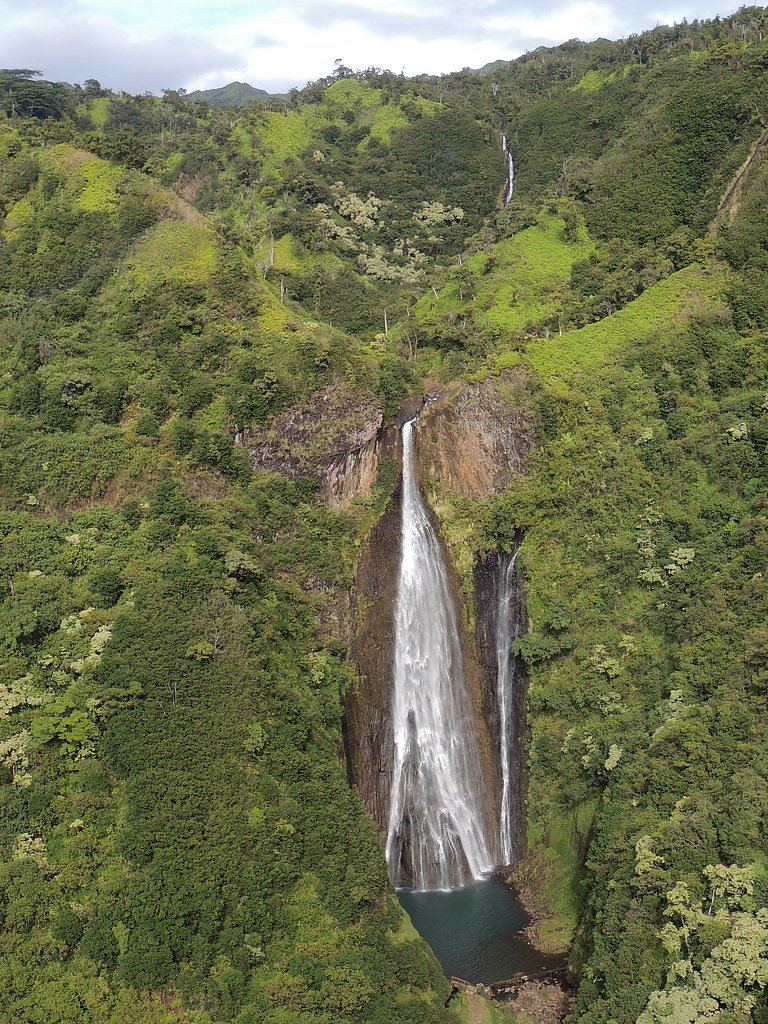
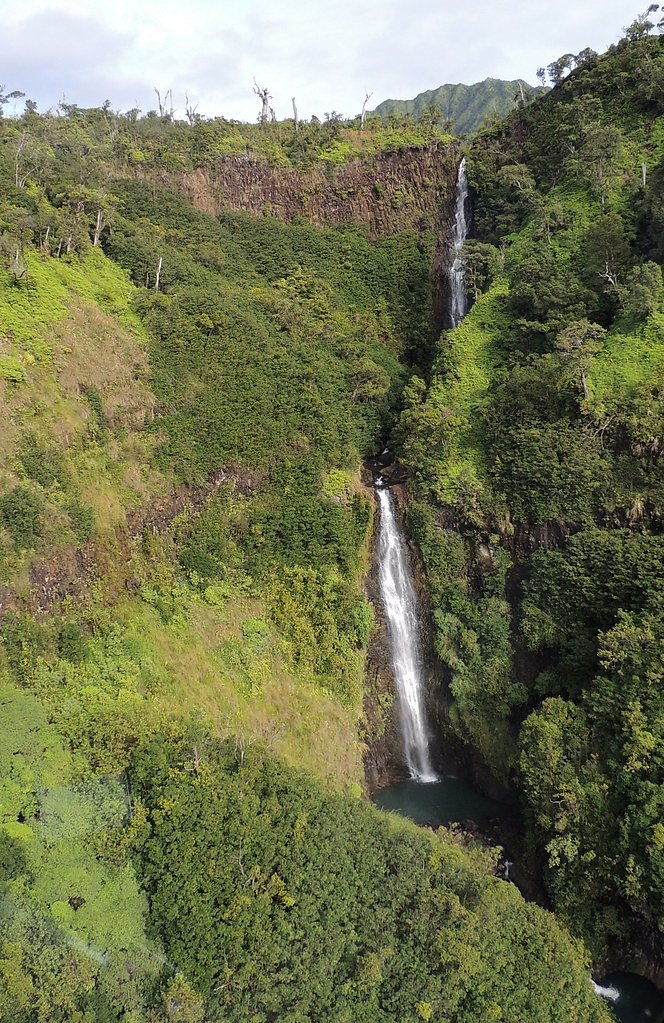
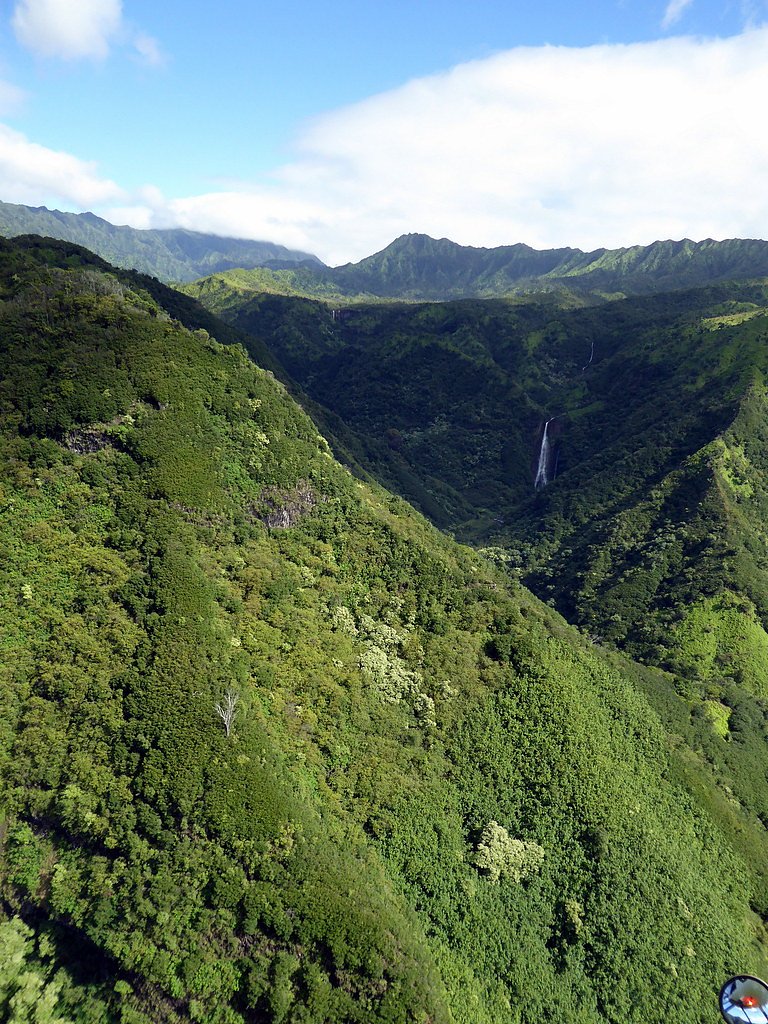
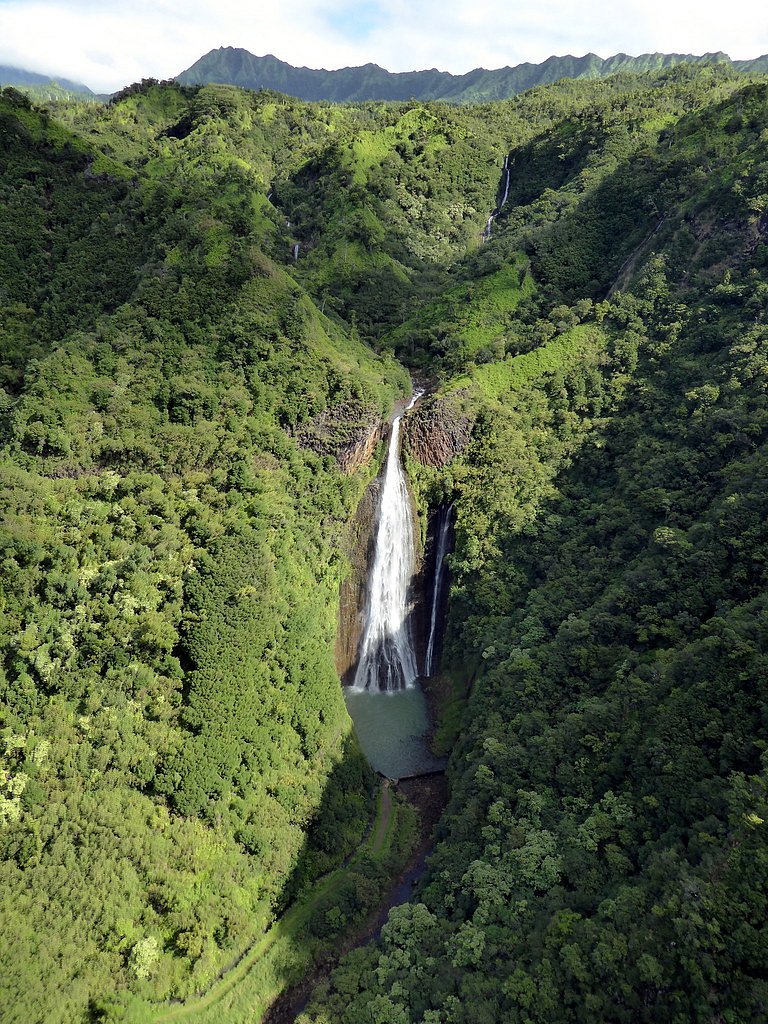
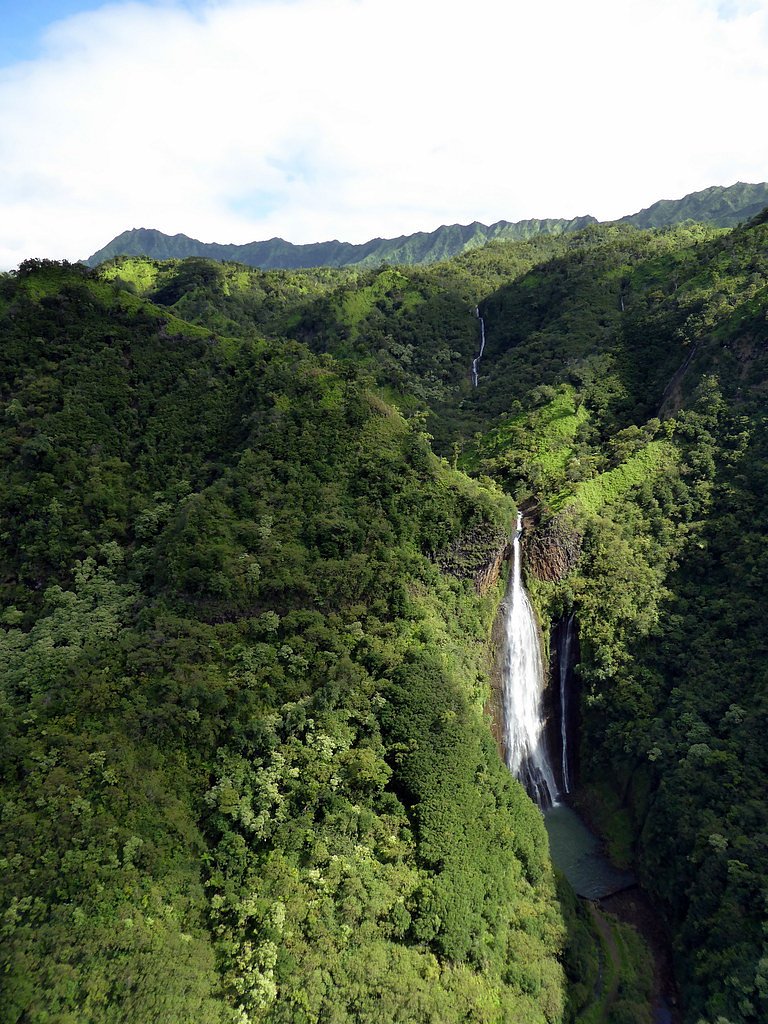
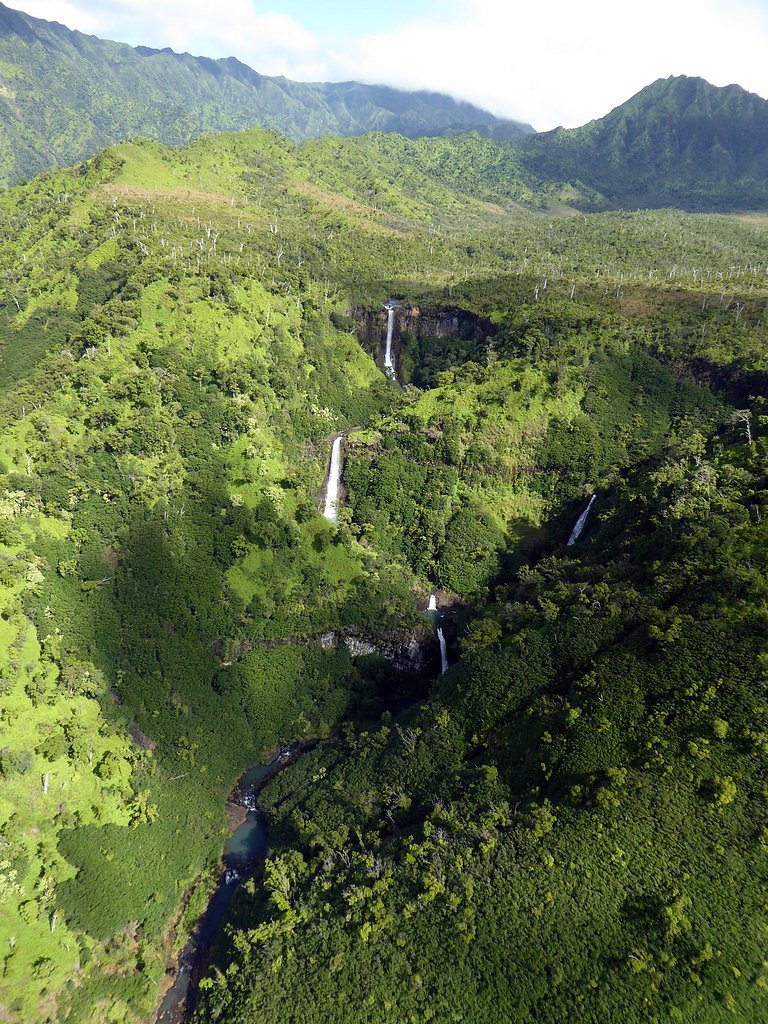
Mānāwaiopuna Falls (colloquially “Jurassic Falls”) is a dramatic 122‑metre (400 ft) cascade tucked into the lush Hanapepe Valley on the island of Kauai. The horsetail fall plunges amid steep, tropical cliffs and became widely recognizable after appearing in the background of several scenes in Steven Spielberg’s 1993 film Jurassic Park. Photographs from the air capture the fall’s remote, emerald setting, making it one of Kauai’s most iconic and photographed waterfalls. The falls are not reached by foot—Mānāwaiopuna sits on private land and is only accessible by helicopter. Several helicopter tour operators offer flights over the valley and some tours include a brief landing near the base when conditions and permissions allow, giving visitors the closest possible encounter with this cinematic cascade. Because access is tightly controlled, booking a vetted tour is the usual way to experience the falls up close.
The Setting
Manawaiopuna Falls sits at 906 feet in the foothills of Hawaii. At 400 feet, it is among the taller waterfalls in Hawaii.
Height: 400 feet
Trail & Hike Details
The Approach
No hiking required. Manawaiopuna Falls is accessible by vehicle with a roadside viewing area.
Trail Description
There is no established public hiking trail to Mānāwaiopuna Falls; the waterfall is on private land and is only accessible by helicopter. USFS trail name/number and surface/grade/class data do not apply. Trail type: unknown; listed difficulty: drive_up (no conventional hiking route). Visitors should plan to view the falls via authorized helicopter tours rather than by foot.
What to Expect
The falls plunge a dramatic 400 feet.
Accessibility
This waterfall is viewable from a vehicle-accessible area. No hiking is required.
Frequently Asked Questions
🐶 Are Dogs Allowed at Manawaiopuna Falls?
❌ Dogs are not allowed
Are There Any Fees or Permits Required?
🤑 Fee: $0.00
Permit required
Access to Manawaiopuna Falls requires booking a guided helicopter tour, which includes the necessary permissions to land on private property.
🏊 Is There Swimming at Manawaiopuna Falls?
❌ Swimming is not allowed
When to Visit
Manawaiopuna Falls can be visited year-round, but the best time is typically during the dry season (April to October) for clearer skies and better visibility. However, the falls may be more dramatic during the rainy season (November to March) due to increased water flow.
Seasonal Access
The best time to visit is Spring, Summer, Fall, and Winter. Heavy rains during wet season (November through March) bring higher flow but can make trails slippery.
Safety Information
Helicopter tours are generally safe but may not be suitable for those with a fear of heights or motion sickness. Follow all safety instructions provided by the tour operator. Weather conditions can change rapidly, so tours may be delayed or canceled for safety reasons.
Current Water Conditions
1.63 ft
Water depth at gauge
About This Gauge
7-Day Flow Outlook
Based on the USGS gauge Hanapepe Riv blw Manuahi Str nr Eleele, Kauai, HI (5 km away).
Today
Roaring
160 cfs
6/10Tomorrow
Roaring
172 cfs
6/10Wed
Roaring
166 cfs
6/10Thu
Roaring
154 cfs
6/10Fri
Roaring
166 cfs
6/10Sat
Roaring
149 cfs
6/10Sun
Roaring
149 cfs
6/10Best window: Today — roaring flow, isolated rain showers (trip score 6/10).
Best time of year: this gauge typically runs highest from late January to late January, peaking in April.
How we calculate this
This is a transparent outlook, not a precise forecast. We take the waterfall's current flow strength (how it ranks against its historical normal for today, from the nearest USGS stream gauge), carry that ranking forward along the gauge's seasonal curve, and nudge it for forecast rain. Confidence is highest for the next day or two and falls further out. Always check official conditions and your own judgment before visiting — high flows can be dangerous.
Know when to go.
Get a free email alert when waterfalls near Kalaheo hit peak flow. We only send when conditions are worth the trip — no weekly newsletters, no spam.
Weather Forecast
Location & Access
Getting There
Manawaiopuna Falls is located on private land and is not accessible by foot or car. The only way to visit the falls is through a guided helicopter tour, which typically departs from Lihue Airport on Kauai.
Get Directions on Google MapsParking
Parking is available at the helicopter tour departure points, such as Lihue Airport. Visitors should confirm parking availability with their tour operator.
Elevation
906 feet above sea level
Coordinates
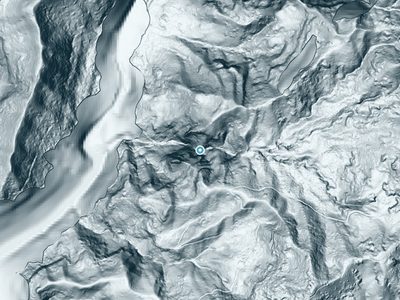
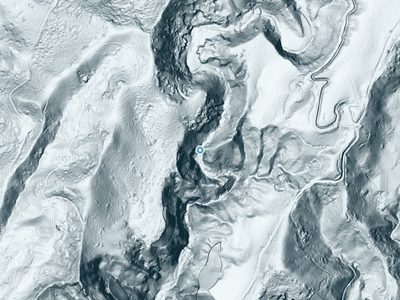
21.988354° N, -159.525558° W
Visitor Tips & Gear
Book your helicopter tour in advance, as availability can be limited. Wear comfortable clothing and bring a camera to capture the stunning views. Be prepared for weather changes, as Kauai's weather can be unpredictable.
Where to Stay
Kauai Shores Hotel
Poipu Plantation Vacation Rentals
Banyan Harbor Resort
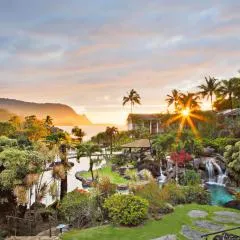
Hanalei Bay Resort
Browse vacation cabins and private rentals nearby
Unique outdoor stays — tents, yurts, and treehouses
Rent a campervan or RV for your waterfall road trip
Some links are affiliate links. We may earn a commission at no extra cost to you.
Additional Information
Nearby Attractions
Nearby attractions include Waimea Canyon, the Na Pali Coast, and Wailua Falls, all of which are accessible by car or additional tours.
Wildlife
The area around the falls is home to native Hawaiian birds and lush tropical vegetation. Wildlife sightings are typically limited due to the brief nature of helicopter visits.
Cities near Manawaiopuna Falls
Nearby Waterfalls
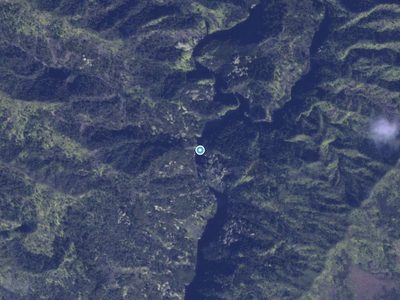 Aerial
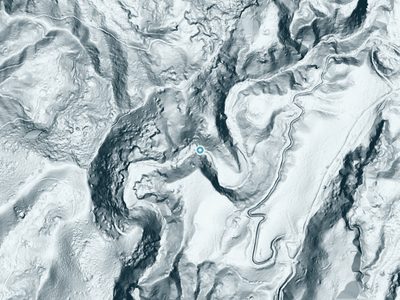 LiDAR
LiDAR
 LiDAR
LiDAR
 LiDAR
LiDAR
Writing about Manawaiopuna Falls? Embed this waterfall on your site for free.