
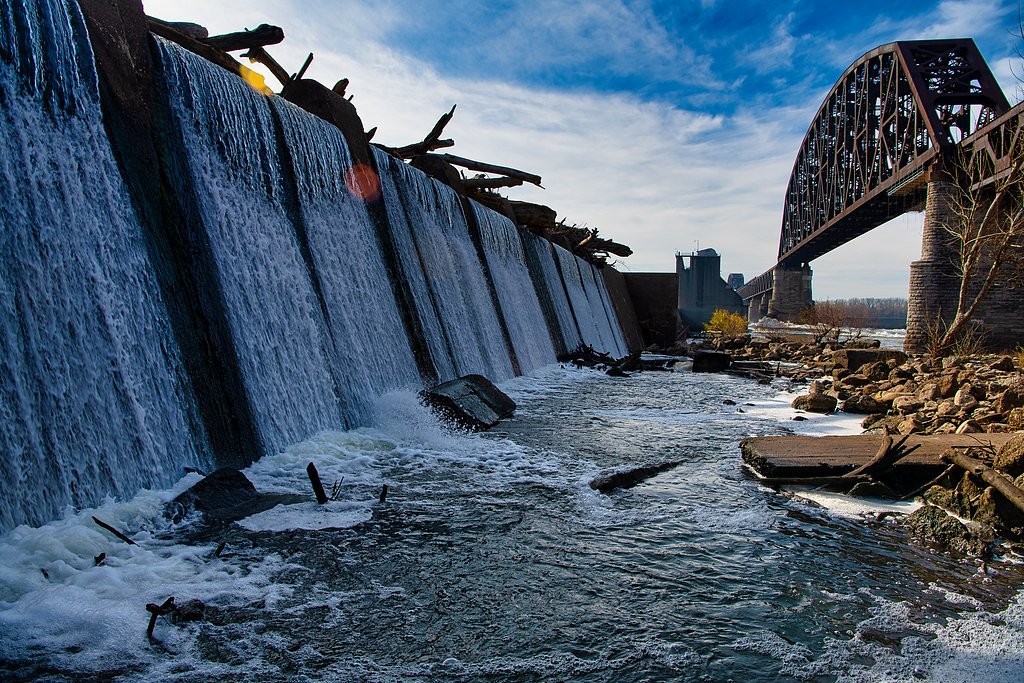




Photo Credits (5)
Difficulty
Easy
Trail Length
1.2 miles
Trail Type
Out And Back
Elevation Gain
50 ft
About Falls of the Ohio
The Falls of the Ohio is a unique geological and historical site located on the Ohio River near Louisville, Kentucky, and Jeffersonville, Indiana. It features exposed fossil beds that date back 390 million years, making it a popular destination for geology enthusiasts and history buffs. The area is part of the Falls of the Ohio State Park.
Trail & Hike Details
The Approach
The easy 1.2-mile out-and-back trail gains 50 feet of elevation on the way to the falls.
Trail Description
The area around the Falls of the Ohio features flat, easy-to-navigate trails that lead to the fossil beds and scenic views of the Ohio River. Visitors can explore the exposed fossil beds during low water levels, but caution is advised as the rocks can be slippery.
What to Expect
Dogs are welcome.
Accessibility
The trail is not wheelchair accessible. Uneven terrain and elevation changes require steady footing.
Frequently Asked Questions
🐶 Are Dogs Allowed at Falls of the Ohio?
✅ Dogs are allowed
Are There Any Fees or Permits Required?
🤑 Fee: $0.00
🏊 Is There Swimming at Falls of the Ohio?
❌ Swimming is not allowed
When to Visit
The best time to visit is during low water levels, typically in late summer or early fall, when the fossil beds are most exposed.
Seasonal Access
The best time to visit is Spring, Summer, Fall, and Winter.
Safety Information
Be cautious when exploring the fossil beds, as the rocks can be slippery and uneven. Avoid visiting during high water levels or after heavy rains. Always supervise children near the river.
Current Water Conditions
12.73 ft
Water depth at gauge
About This Gauge
Know when to go.
Get a free email alert when waterfalls near Clarksville hit peak flow. We only send when conditions are worth the trip — no weekly newsletters, no spam.
Weather Forecast
The Terrain, Seen by LiDAR
Aircraft-mounted lasers measured this ground to within inches. Trees and buildings are digitally stripped away, leaving the bare shape of the land the water has carved.
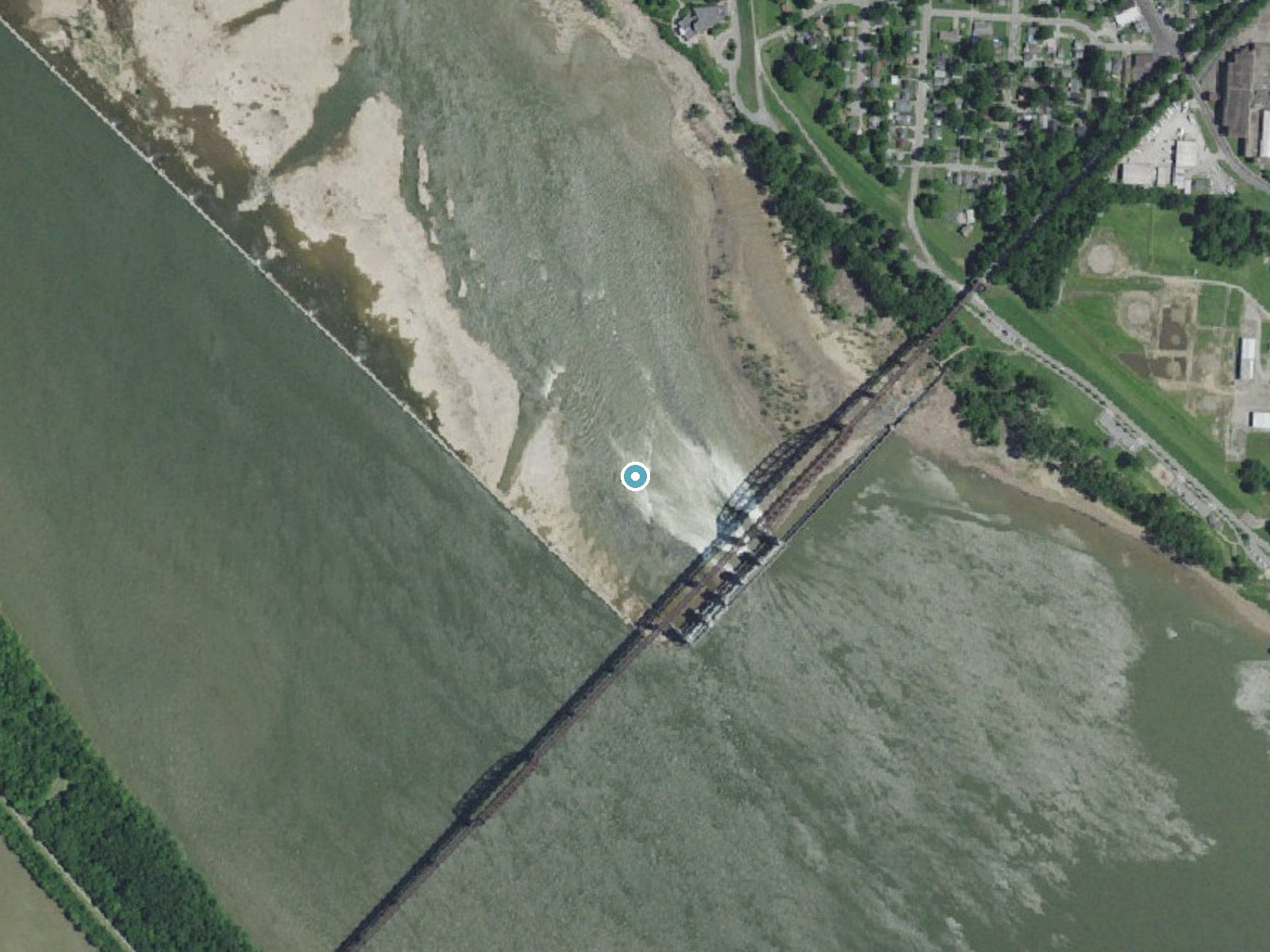
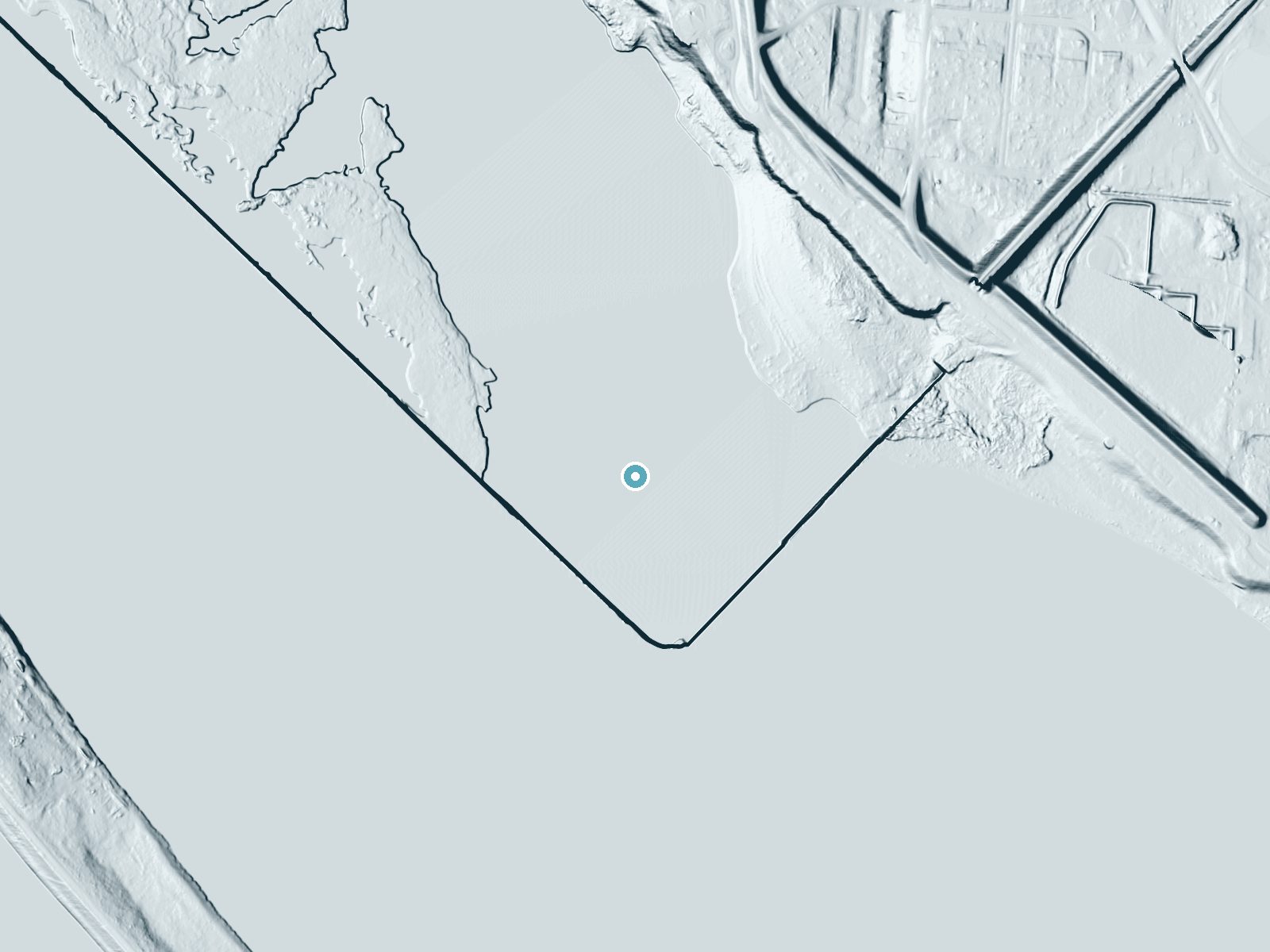
Drag to compare. The dot marks the waterfall. The frame is about a mile across.
Elevation data: USGS 3D Elevation Program. Aerial imagery: USGS The National Map. Public domain.
Location & Access
Getting There
The Falls of the Ohio can be accessed via the Falls of the Ohio State Park, located at 201 W. Riverside Drive, Clarksville, Indiana. It is just across the river from Louisville, Kentucky, and is easily reachable by car.
Get Directions on Google MapsParking
Parking is available at the Falls of the Ohio State Park Visitor Center. There may be a small fee for parking.
Elevation
397 feet above sea level
Coordinates
38.271459° N, -85.764407° W
Visitor Tips & Gear
Wear sturdy shoes with good grip if you plan to explore the fossil beds, as the rocks can be uneven and slippery. Bring water and sunscreen, especially during warmer months. Check water levels before visiting, as high water can cover the fossil beds.
As an Amazon Associate, we earn from qualifying purchases.
This easy 1.2 miles hike is straightforward — comfortable trail shoes and plenty of water should do. Icy conditions are common in winter — traction cleats are a smart addition.

Columbia Watertight II Rain Jacket
Packs into its own pocket, seam-sealed, and keeps you dry from spray and surprise rain.

Polarized Sunglasses (Knockaround)
Cuts glare off the water so you actually see the falls — and your photos turn out better too.

Earth Pak Waterproof Dry Bag
Keeps your phone and gear dry when waterfall mist soaks everything else.

Waterproof Phone Pouch (AiRunTech)
Cheap insurance — take photos right next to the falls without killing your phone.

Kahtoola MICROspikes
Cult-favorite traction cleats that grip ice and wet rock — essential for winter waterfall hikes.

JOBY GorillaPod Starter Kit
Wraps around railings and rocks for long-exposure waterfall shots — no flat surface needed.
Where to Stay

Holiday Inn Express - New Albany

Radisson Hotel Louisville North

Hampton Inn New Albany Louisville West

Comfort Inn & Suites Clarksville - Louisville North
Browse vacation cabins and private rentals nearby
Unique outdoor stays — tents, yurts, and treehouses
Rent a campervan or RV for your waterfall road trip
Some links are affiliate links. We may earn a commission at no extra cost to you.
Additional Information
Nearby Attractions
Nearby attractions include the Louisville Waterfront Park, the Big Four Bridge, and the Muhammad Ali Center in Louisville, Kentucky.
Wildlife
The area is home to various bird species, including herons and egrets, as well as aquatic life in the Ohio River.
Cities near Falls of the Ohio
Nearby Waterfalls
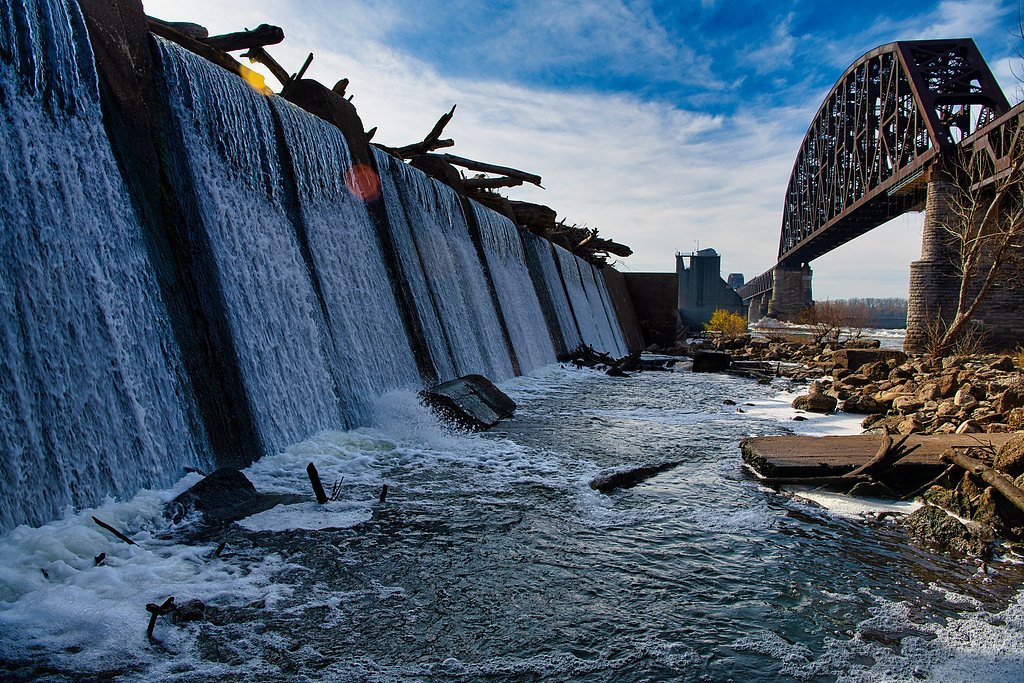
Other waterfalls named Falls of the Ohio
1 other waterfall shares this name across the U.S.
Writing about Falls of the Ohio? Embed this waterfall on your site for free.