Photo Credits (2)
About Manly Fall (historical)
Manly Fall (historical) is a dry, seasonal waterfall site in California named for William L. Manly, the pioneer long associated with the Death Valley region. Once fed by intermittent runoff, the cascade no longer flows regularly and is best appreciated now for its geologic setting and the human history tied to the name rather than as an active water feature. Visitors often come for the sense of remoteness and the story of early California exploration rather than a leaping plunge of water. The site sits on public land managed by the Bureau of Land Management’s Ridgecrest Field Office (Designation: PUB). Because the feature is historic and intermittently active, conditions can vary widely; hikers interested in the site should check with the Ridgecrest Field Office for access details, seasonal conditions, and any land-status advisories before planning a visit.
The Setting
Manly Fall (historical) sits at 1,526 feet within Ridgecrest Field Office, in the hills of California.
Trail & Hike Details
Trail Description
The hike is rated moderate and is typically a short, straightforward outing—ideal for those who want a brief backcountry experience and a look at a seasonal, historical waterfall site on BLM-managed land. Detailed trail surface, grade, and official USFS/BLM trail class data are not documented in the available records, so expect natural terrain typical of desert and foothill approaches and plan accordingly. Bring adequate water and sun protection, wear sturdy footwear, and contact the Ridgecrest Field Office for the latest trail conditions, access points, and any travel advisories before heading out.
What to Expect
Visitors can expect to see a historical site rather than an active waterfall. The area may provide insight into the geological and environmental history of Death Valley.
Accessibility
Accessibility information is not available for Manly Fall. Visitors should check with park services for details.
Frequently Asked Questions
🐶 Are Dogs Allowed at Manly Fall (historical)?
❌ Dogs are not allowed
Are There Any Fees or Permits Required?
🤑 Fee: $30.00
🏊 Is There Swimming at Manly Fall (historical)?
❌ Swimming is not allowed
When to Visit
Spring and fall are typically the best times to visit Death Valley due to milder temperatures. Summer can be extremely hot, and winter nights can be very cold.
Seasonal Access
The best time to visit is Spring, Summer, Fall, and Winter.
Safety Information
Death Valley is known for extreme heat, especially in summer. Carry plenty of water, avoid hiking during the hottest parts of the day, and be aware of your physical limits. Cell phone service may be limited.
Know when to go.
Get a free email alert when waterfalls near Homewood Canyon hit peak flow. We only send when conditions are worth the trip — no weekly newsletters, no spam.
Weather Forecast
The Terrain, Seen by LiDAR
Aircraft-mounted lasers measured this ground to within inches. Trees and buildings are digitally stripped away, leaving the bare shape of the land the water has carved.
1-meter lidar measures about 357 feet of descent through Manly Fall (historical), a steep tiered drop rather than a single free fall. The brink sits at about 1,309 feet above sea level.
The whole reach is steep: about 179 feet of descent in the 500 feet above the falls and another 175 feet in the 500 feet below. The falls face south and sit in full sun for most of the day, best photographed early or late.
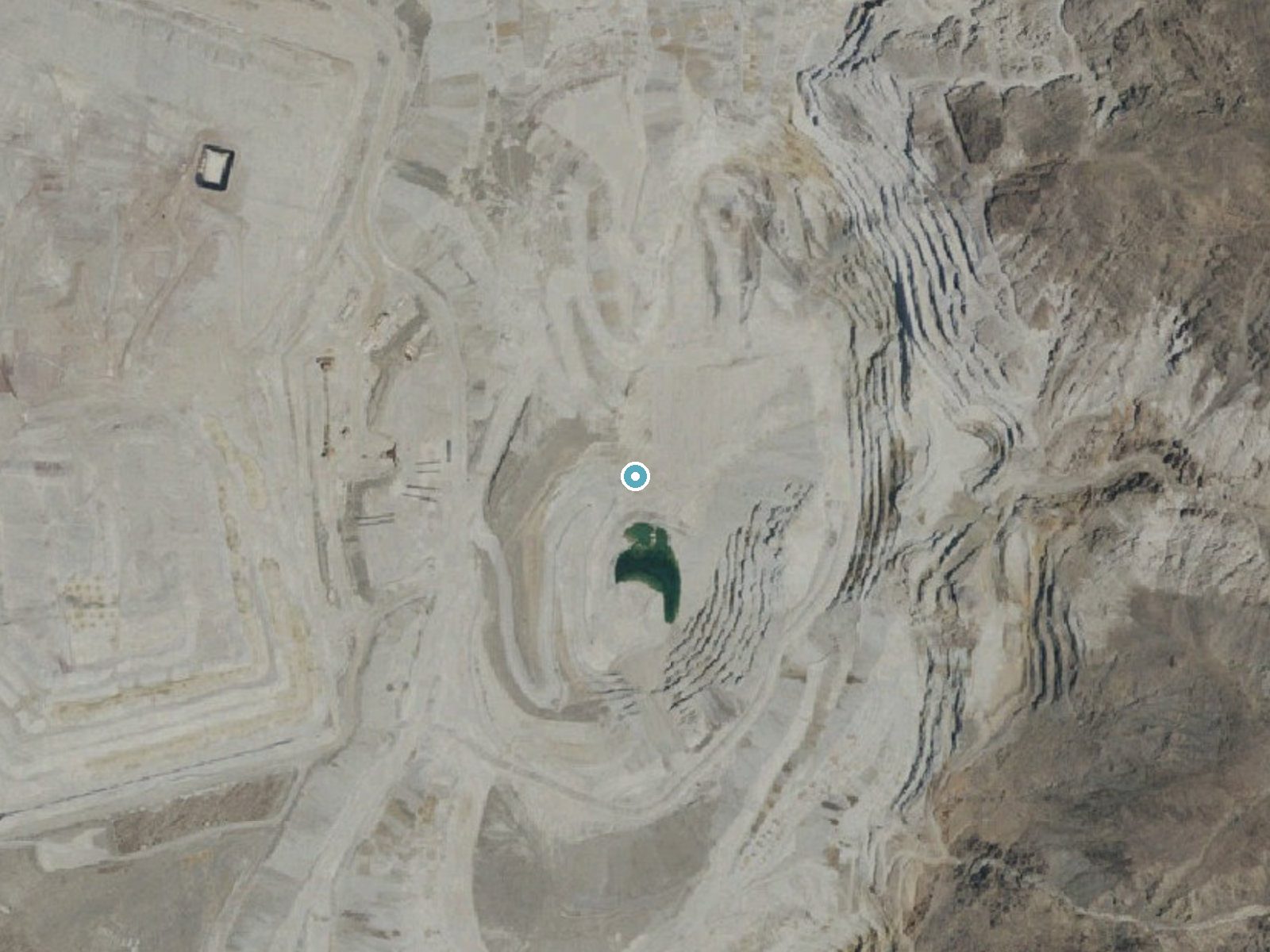
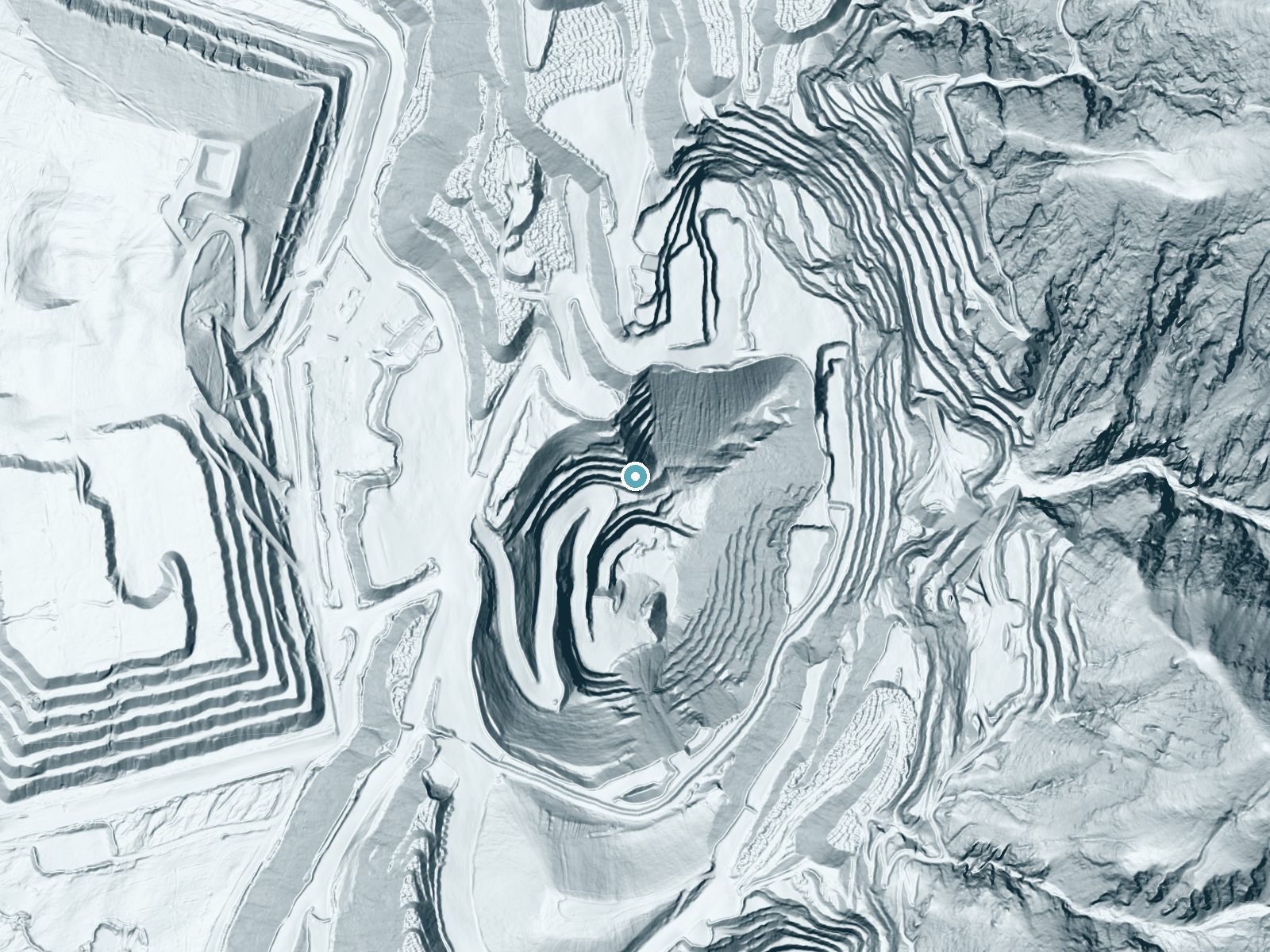
Drag to compare. The dot marks the waterfall. The frame is about a mile across.
- Ground elevation
- 1,309 feet
- Measured by 1-meter lidar
- Drop at the falls
- About 357 feet
- Change in ground height within ~250 feet of the falls
- Faces
- South
- Sunlit most of the day. Go early or late for softer light.
A slice through the lidar ground surface, from above the falls to downstream (heading south).
Elevation data: USGS 3D Elevation Program. Aerial imagery: USGS The National Map. Public domain.
Location & Access
Getting There
Manly Fall is located within the Death Valley National Park area in California. Specific directions to the site may vary, and visitors should consult park maps or ranger stations for guidance.
Get Directions on Google MapsParking
Parking availability is unclear, but visitors may need to park at nearby trailheads or designated areas within Death Valley National Park.
Elevation
1,526 feet above sea level
Coordinates
35.937451° N, -117.186165° W
Land Management
Managed by BLM
Visitor Tips & Gear
Bring plenty of water, especially during warmer months, as Death Valley is known for extreme heat. Wear sturdy shoes and be prepared for desert conditions.
Where to Stay
Browse vacation cabins and private rentals nearby
Unique outdoor stays — tents, yurts, and treehouses
Rent a campervan or RV for your waterfall road trip
Some links are affiliate links. We may earn a commission at no extra cost to you.
Nearby Hot Springs
Hot springs near Manly Fall (historical), California
Warm Sulphur Springs
Warm Sulphur Springs emerges at 80°F in the northern Mojave Desert near Searles Valley, flowing only 5.7 degrees above the scor...
Warm Spring
Warm Spring sits in Death Valley's remote backcountry more than 7 miles from West Side Road at 2,460 feet elevation, accessible...
Bainter Spring
Bainter Spring emerges at 92°F (33°C) on Bureau of Land Management lands near Searles Valley in the Argus Range, a remote deser...

Coso Hot Springs
Coso Hot Springs surges from the earth at an extreme 207°F (97°C) within the Coso Volcanic Field, representing one of Californi...

Unnamed Spring Kern County 1
An 80-degree spring rises at 3,200 feet in the Mojave Desert's high country, 15.5 degrees warmer than the surrounding air, acce...
Devils Kitchen
Devils Kitchen emerges at an extreme 207°F from volcanic terrain within Naval Air Weapons Station China Lake, featuring some of...
Looking for a soak after your hike? Explore more hot springs near Manly Fall (historical), California on SoakingSprings.
Explore California springsAdditional Information
Nearby Attractions
Other attractions in Death Valley National Park include Badwater Basin, Zabriskie Point, and Mesquite Flat Sand Dunes.
Wildlife
The area may feature desert wildlife such as lizards, snakes, and birds. Be cautious of potentially dangerous animals like rattlesnakes.
Writing about Manly Fall (historical)? Embed this waterfall on your site for free.