Before you go
Remote site in a non-operating park with no facilities; the access road is sometimes flooded or overgrown, so plan for a rough drive or a paddle in.
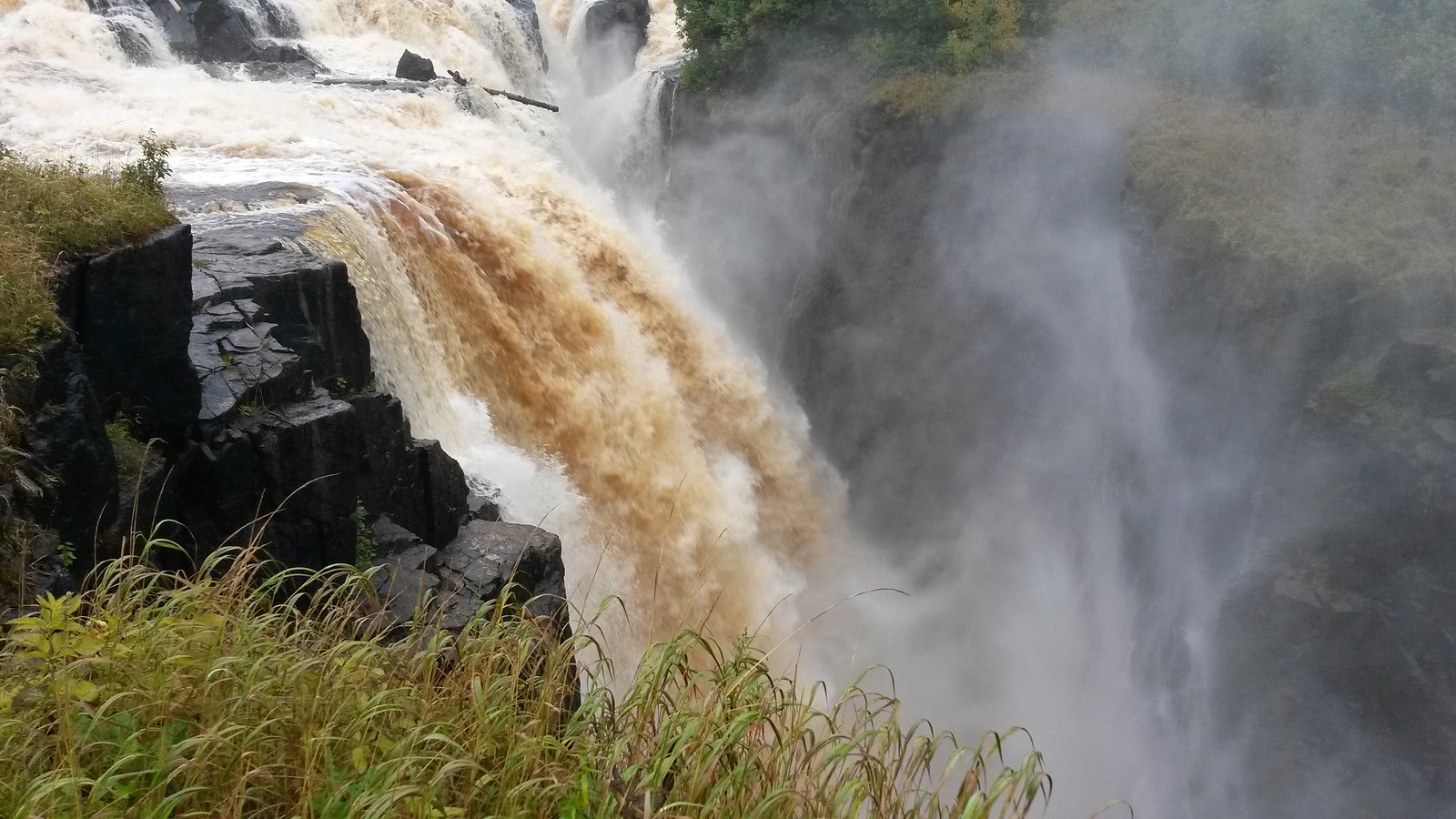
Photo Credits (2)
Difficulty
Hard
Trail Type
Out And Back
About New Post Falls
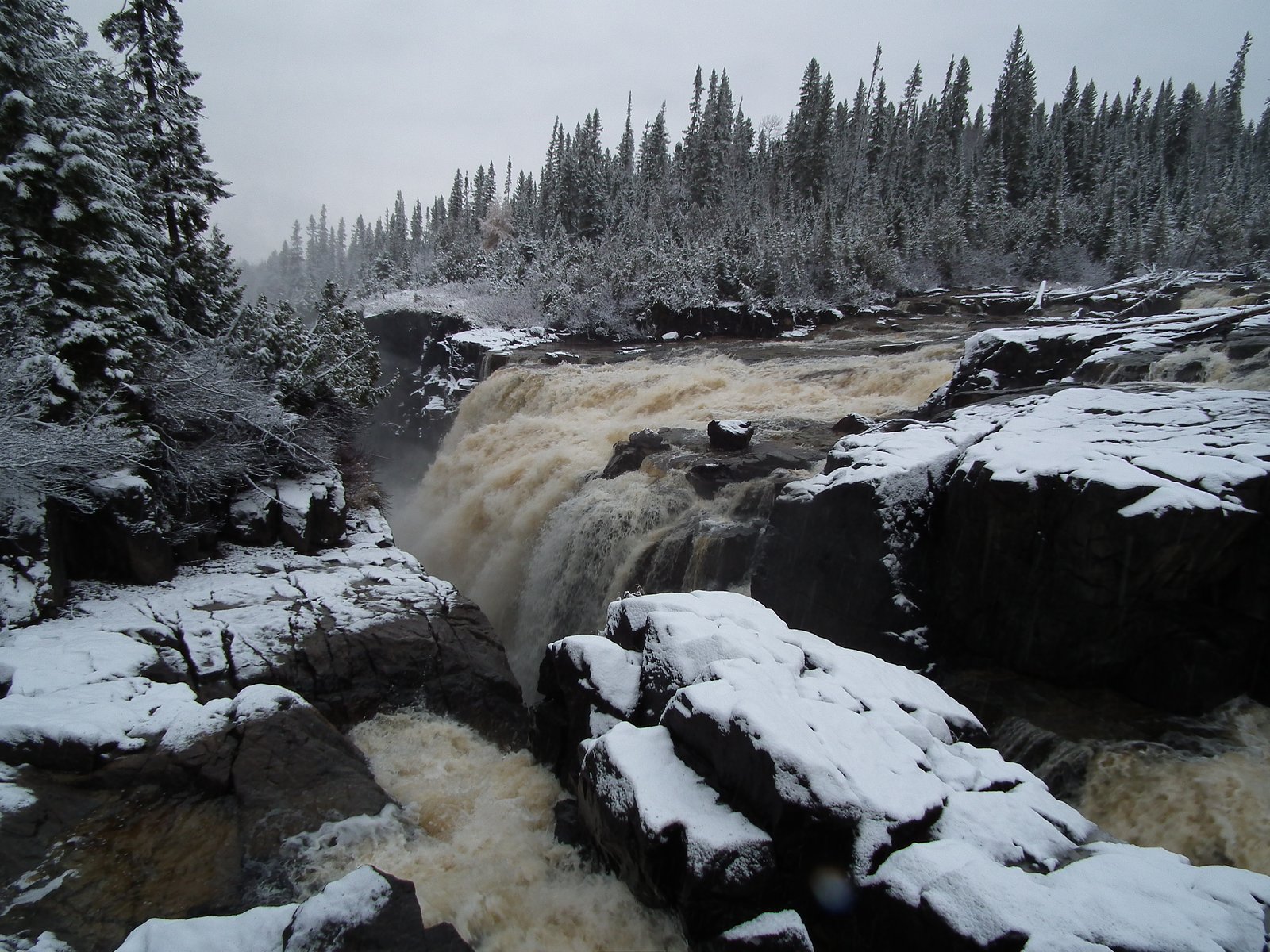
New Post Falls is a tall, powerful cascade on Newpost Creek in Little Abitibi Provincial Park, a non-operating park about 66 km north of Cochrane in northeastern Ontario. The creek has cut a narrow chasm close to 50 m deep. Much of its flow came from a 1960s diversion of the Little Abitibi River, and the Peter Sutherland Senior Generating Station about 4 km upstream, completed in 2017, now diverts water and reduces flow over the falls.
The Setting
New Post Falls sits at 174 metres within Little Abitibi Provincial Park (Natural Environment Class), in the foothills of Ontario. The falls drop 26 metres.
Why This Waterfall Exists
New Post Falls flows over hard banded metamorphic rock, primarily gneiss, laid down over 2.5-2.8 billion years ago. These resistant rocks form a durable ledge that water cannot easily wear away, creating a 85-foot drop where softer material downstream has already eroded.
Trail & Hike Details
Trail Description
Well-trodden paths lead from the end of the access road to the bottom and to the brink of the falls. The Waterfalls of Ontario guide lists about 20 minutes of hiking and rates the access as challenging; we found no measured distance.
What to Expect
The falls cascade 26 metres over hard banded metamorphic rock. Dogs are welcome.
Accessibility
The trail involves steep, uneven terrain with significant elevation change and is not accessible to mobility devices.
Frequently Asked Questions
🐶 Are Dogs Allowed at New Post Falls?
✅ Dogs are allowed
Ontario Parks requires dogs to be on a leash no longer than 2 metres (6 feet) at all times.
Are There Any Fees or Permits Required?
🆖 No fees required
🏊 Is There Swimming at New Post Falls?
❌ Swimming is not allowed
When to Visit
Spring (peak runoff) for the most dramatic flows; summer for easier access and warmer weather; fall for color and lower crowds. Winter can offer frozen falls scenery but access is more difficult and requires winter travel experience/equipment.
Seasonal Access
The best time to visit is Spring, Summer, and Fall. Winter access may be limited. Check with the managing park or local authority for current conditions.
Safety Information
Hazards include slippery rocks and fast currents near cascades, cold water temperatures, unstable banks, seasonal road and trail erosion, limited or no cell coverage, biting insects in spring/summer, and potential wildlife encounters. Use caution near water, avoid climbing on wet bedrock, wear appropriate footwear, and carry emergency supplies. If visiting in winter, be experienced in winter travel; ice near falls may be unsafe. Always assume conditions can change rapidly and prioritize conservative decision-making.
Know when to go.
Get a free email alert when waterfalls near Kapuskasing hit peak flow. We only send when conditions are worth the trip — no weekly newsletters, no spam.
Weather Forecast
Location & Access
Getting There
One published route: from Cochrane take Highway 11 to Highway 634 and drive north about 74 km to Fraserdale, then 4 km to the Abitibi Canyon Generating Station. Continue about 15 km and cross the New Post Creek bridge, drive another 12 km and turn off toward Otter Rapids, go about 8 km west, make a sharp right and park less than 2 km farther. Road conditions vary from drivable to flooded by beaver dams about 10 km before the falls; guides recommend all-wheel drive, a full tank and a companion. The falls can also be reached by water from the boat launch at the Abitibi Canyon dam.
Get Directions on Google MapsParking
Parking is informal at the end of the access road. The park has no visitor facilities.
Elevation
174 metres above sea level
Coordinates
49.990233° N, -81.530590° W
Land Management
Managed by Ontario Parks
Visitor Tips & Gear
1) Check local access/road conditions before leaving; logging operations can close roads without notice. 2) Wear sturdy footwear with good traction for wet, slippery rock. 3) Bring insect repellent in spring/early summer. 4) Pack out everything you bring in, no facilities likely. 5) Tell someone your route and expected return time; mobile reception may be poor. 6) Avoid getting too close to the edge of cascades; rocks are often algae-covered and very slippery.
Where to Stay
Browse vacation cabins and private rentals nearby
Unique outdoor stays — tents, yurts, and treehouses
Rent a campervan or RV for your waterfall road trip
Some links are affiliate links. We may earn a commission at no extra cost to you.
Additional Information
Nearby Attractions
The Abitibi Canyon Generating Station and the community of Fraserdale lie along the access route, and Cochrane is the nearest town with full services.
Wildlife
Typical boreal wildlife may be present: moose, black bear, white-tailed deer, beaver, fox, wolf, and numerous bird species. Exercise standard wildlife precautions (store food securely, give animals space).
Cities near New Post Falls
Writing about New Post Falls? Embed this waterfall on your site for free.