Horsethief Falls
By Armen Suny · Last verified Jun 2026
Difficulty
Moderate
Trail Type
Out And Back
About Horsethief Falls
Horsethief Falls (BC) is a forested, mountain-stream waterfall located in southeastern British Columbia, roughly west of Banff. The falls drop where a creek descends through a narrow channel and can be most impressive in spring and early summer during snowmelt. Specific published measurements for vertical drop and official park naming vary by source; this entry takes a conservative approach where details are not certain.
Why This Waterfall Exists
Horsethief Falls flows over layered sedimentary rock laid down over 1.0-1.6 billion years ago. Over time, the stream has worn through these layers at different rates, creating the step that forms the waterfall.
Trail & Hike Details
Trail Description
The approach to Horsethief Falls is typically a short forested trail that may include uneven singletrack, roots, rocks, and possibly short steep sections or scrambles near viewpoints. The trail is likely an out-and-back route that leads to one or more overlooks above the creek; getting to the base may require additional scrambling and route-finding. Trail surfaces can be muddy and slippery after rain or during spring melt. Signage and maintained infrastructure (boardwalks, railings) may be minimal or absent.
What to Expect
Expect a forested mountain setting with a relatively small but scenic waterfall that flows more strongly during spring snowmelt and after significant rain. Water levels can vary seasonally. The area may have steep banks, loose rock, and wet surfaces near the creek. Cell service may be limited. Wildlife such as deer, elk, and black bears can occur in the region.
Accessibility
The trail is not wheelchair accessible. Uneven terrain and elevation changes require steady footing.
Frequently Asked Questions
🐶 Are Dogs Allowed at Horsethief Falls?
❌ Dogs are not allowed
Are There Any Fees or Permits Required?
🆖 No fees required
🏊 Is There Swimming at Horsethief Falls?
❌ Swimming is not allowed
When to Visit
Late spring through early summer for highest flow (snowmelt). Summer and early fall are best for stable trail access and warmer weather. Winter visits may be possible with snowshoes or skis but expect icy conditions, avalanche risk in some areas, and limited access.
Seasonal Access
The best time to visit is Spring, Summer, Fall, and Winter. Check with the managing park or local authority for current conditions.
Safety Information
Hazards include slippery and wet rocks, steep drop-offs, loose rock, variable water flow, seasonal flooding, cold water temperatures, and wildlife encounters. Weather can change quickly at elevation; hypothermia is a risk in wet or cold conditions. Cell service may be unreliable, inform someone of your plans and expected return time. Always follow posted signs and closures.
Current Water Conditions
These readings come from the Water Survey of Canada gauge on Duncan River, 35.5 km away, not on Horsethief Falls's own stream. Use them as a sign of whether the area is running wet or dry.
15.5 m³/s
Current discharge — how much water is flowing
Lower than usual for this time of year
Based on 63 years of record
1.32 m
Water depth at gauge
7-Day Discharge Trend
What does this mean for your visit?
Flow is lower than usual for this time of year.
About This Gauge
This gauge is on a regional waterway. Conditions at the falls may differ, especially after local rain.
7-Day Flow Outlook
Based on the WSC gauge DUNCAN RIVER BELOW B.B. CREEK (36 km away).
Today
Low
16 m³/s
5/10Tomorrow
Low
16 m³/s
4/10Sat
Low
16 m³/s
4/10Sun
Low
15 m³/s
4/10Mon
Low
15 m³/s
5/10Tue
Low
15 m³/s
5/10Wed
Low
14 m³/s
5/10Best window: Today — low flow, cloudy (trip score 5/10).
Best time of year: this gauge typically runs highest from mid May to mid August, peaking in June.
How we calculate this
This is a transparent outlook, not a precise forecast. We take the waterfall's current flow strength (how it ranks against its historical normal for today, from the nearest WSC stream gauge), carry that ranking forward along the gauge's seasonal curve, and nudge it for forecast rain. Confidence is highest for the next day or two and falls further out. Always check official conditions and your own judgment before visiting — high flows can be dangerous.
Know when to go.
Get a free email alert when waterfalls near Banff hit peak flow. We only send when conditions are worth the trip — no weekly newsletters, no spam.
Weather Forecast
Location & Access
Getting There
The falls are located near coordinates 50.4803, -116.6105 in southeastern British Columbia (approximately 75–80 miles west of Banff by road). Access is typically by vehicle on regional highways and secondary forest or access roads; final approach may be from a small pullout or informal trailhead. Visitors should use a reliable mapping app or official park/forest service directions and confirm the latest access information before travel.
Get Directions on Google MapsParking
Parking is likely limited to a small pullout or informal roadside area near the trailhead. Expect no formal paved lot or facilities; park well off the paved shoulder and avoid blocking access. Availability and suitability for larger vehicles may vary.
Elevation
1,636 metres above sea level
Coordinates
50.480300° N, -116.610504° W
Visitor Tips & Gear
• Wear sturdy, grippy footwear, trail and rocks near the falls can be slippery. • Check recent trip reports or local park/forest service pages for route updates, closures, and conditions. • Stay behind any established barriers and avoid getting too close to the edge; rocks can be unstable. • Bring insect repellent in warmer months. • If visiting in bear country, carry and know how to use bear spray and make noise on approach. • Leave no trace: pack out all trash and avoid disturbing vegetation or wildlife.
This trail sits at 5,368 ft above sea level
Elevated TrailUV radiation is roughly 21% stronger at this elevation than at sea level, and the dry air accelerates dehydration. Extra sun protection and fluids go a long way.
As an Amazon Associate, we earn from qualifying purchases.

Coppertone Sport SPF 50 Sunscreen
UV intensity jumps ~4% per 1,000 ft — at this elevation you can burn in half the time.

Sun Bum SPF 30 Lip Balm (3-Pack)
Lips have almost no natural UV protection and burn fast in thin, dry mountain air.

Liquid I.V. Electrolyte Packets
You lose moisture ~2x faster at elevation — electrolytes help you absorb water efficiently.
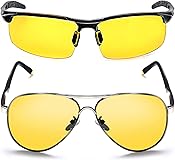
ROCKNIGHT Polarized UV400 Sunglasses
High-altitude glare off rock and water is intense — UV400 lenses block 99%+ of UVA/UVB.
Where to Stay
Browse vacation cabins and private rentals nearby
Unique outdoor stays — tents, yurts, and treehouses
Rent a campervan or RV for your waterfall road trip
Some links are affiliate links. We may earn a commission at no extra cost to you.
Nearby Campground
Monica Meadows Recreation Site
8.4 km away
Additional Information
Nearby Attractions
Depending on the exact location, nearby attractions may include regional hot springs, provincial parks, scenic drives, and mountain hiking areas in the Kootenay/Columbia region. Banff and its attractions are roughly 70–80 miles to the east.
Wildlife
Wildlife in the area can include black bears, deer, elk, small mammals, and various bird species. Exercise standard wildlife precautions: store food securely, carry bear spray where appropriate, and maintain distance.
Cities near Horsethief Falls
Nearby Waterfalls
Writing about Horsethief Falls? Embed this waterfall on your site for free.