Photo Credits (4)
Difficulty
Easy
Trail Length
1.1 km
Trail Type
Out And Back
Elevation Gain
45 m
About Bighorn Falls
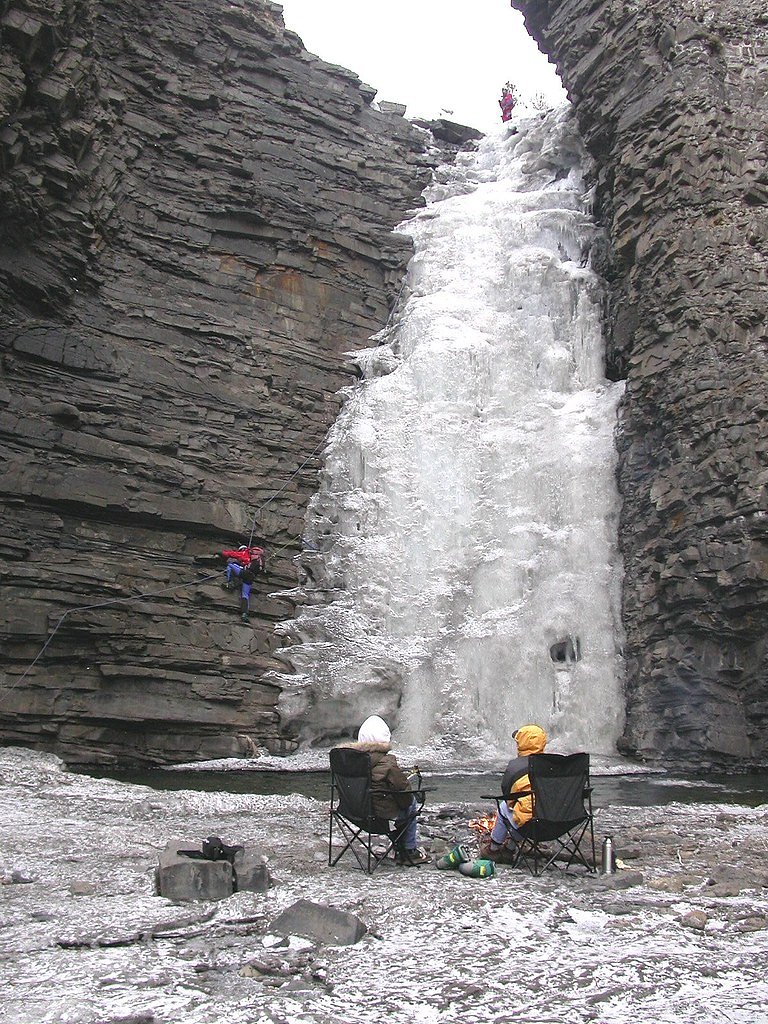
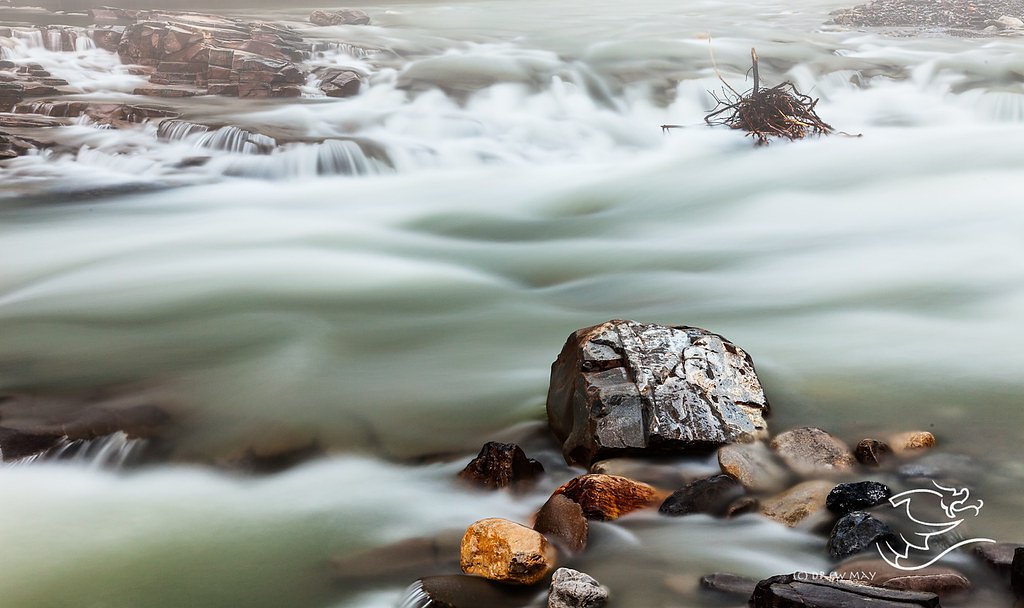
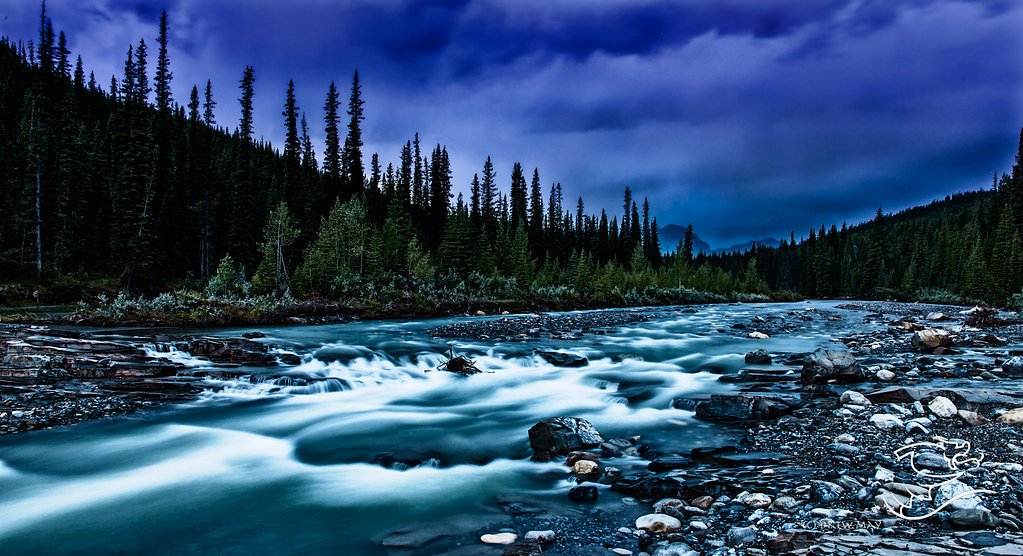
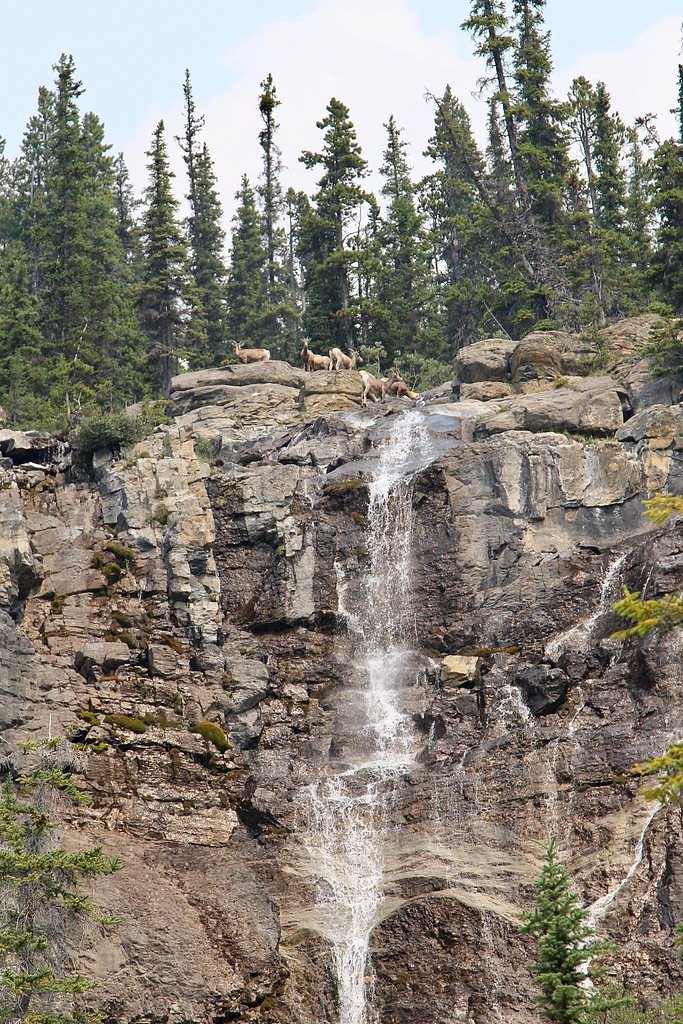
Bighorn Falls is a small cascade on Bighorn Creek at the Ya Ha Tinda Ranch, a Parks Canada property in the foothills east of Banff National Park, about 60 km west of Sundre. The Old Forestry Road trail passes the falls a short walk from the Bighorn Campground parking area.
The Setting
Bighorn Falls sits at 1,612 metres within Ya Ha Tinda, in the high mountains of Alberta.
Why This Waterfall Exists
Bighorn Falls flows over layered sedimentary rock laid down about 145-252 million years ago. Over time, the stream has worn through these layers at different rates, creating the step that forms the waterfall.
Trail & Hike Details
The Approach
The easy 1.1-km out-and-back trail gains 45 metres of elevation on the way to the falls.
Trail Description
The Old Forestry Road trail starts just north of the Bighorn Campground parking area and passes Bighorn Falls; the walk to the falls is short. Ya Ha Tinda trails are shared with horses.
What to Expect
Dogs are welcome.
Accessibility
The trail is short and relatively flat, but the surface may be uneven. Contact the managing agency for accessibility details.
Frequently Asked Questions
🐶 Are Dogs Allowed at Bighorn Falls?
✅ Dogs are allowed
Dogs must be under control on Ya Ha Tinda Ranch property and leashed in Bighorn Campground and inside Banff National Park.
Are There Any Fees or Permits Required?
🆖 No fees required
🏊 Is There Swimming at Bighorn Falls?
❌ Swimming is not allowed
When to Visit
Late spring to early summer for highest flow and full waterfalls; summer for easier road access and warmer weather; fall for lower crowds and autumn colors. Winter visits are possible but expect snow/ice, limited access, and increased risk, only attempt if properly equipped and experienced.
Seasonal Access
The best time to visit is Spring, Summer, Fall, and Winter. Check with the managing park or local authority for current conditions.
Safety Information
Hazards may include slippery wet rocks, unstable banks, steep drops near the cascade, sudden changes in water flow (especially during spring melt), cold water temperatures, falling rock, limited cell service, and wildlife encounters. Use caution near edges, do not climb on wet or icy rocks, and check conditions before visiting. If traveling in bear country, carry and know how to use bear spray and follow provincial wildlife guidance.
7-Day Flow Outlook
Based on the WSC gauge RED DEER RIVER ABOVE PANTHER RIVER (13 km away).
Best time of year: this gauge typically runs highest from early June to late July, peaking in June.
How we calculate this
This is a transparent outlook, not a precise forecast. We take the waterfall's current flow strength (how it ranks against its historical normal for today, from the nearest WSC stream gauge), carry that ranking forward along the gauge's seasonal curve, and nudge it for forecast rain. Confidence is highest for the next day or two and falls further out. Always check official conditions and your own judgment before visiting — high flows can be dangerous.
Know when to go.
Get a free email alert when waterfalls near Banff hit peak flow. We only send when conditions are worth the trip — no weekly newsletters, no spam.
Weather Forecast
Location & Access
Getting There
From Sundre, drive about 60 km west on the gravel road to the Ya Ha Tinda Ranch and park at the Bighorn Campground. The road ends at a gate about 3 km past the campground, and the public may not enter the ranch buildings area.
Get Directions on Google MapsParking
Parks Canada requires all users to park at the staging and parking area at the Bighorn Campground; parking elsewhere is not allowed. There is no phone service or cell coverage at the campground.
Elevation
1,612 metres above sea level
Coordinates
51.740520° N, -115.541785° W
Land Management
Managed by Parks Canada Agency
Visitor Tips & Gear
Download maps before leaving Sundre, since there is no cell coverage at Bighorn Campground. Expect horses and riders on the trails, and pack out all garbage because the campground has no garbage facilities. Carry bear spray.
This trail sits at 5,289 ft above sea level
Elevated TrailUV radiation is roughly 21% stronger at this elevation than at sea level, and the dry air accelerates dehydration. Extra sun protection and fluids go a long way.
As an Amazon Associate, we earn from qualifying purchases.

Coppertone Sport SPF 50 Sunscreen
UV intensity jumps ~4% per 1,000 ft — at this elevation you can burn in half the time.

Sun Bum SPF 30 Lip Balm (3-Pack)
Lips have almost no natural UV protection and burn fast in thin, dry mountain air.

Liquid I.V. Electrolyte Packets
You lose moisture ~2x faster at elevation — electrolytes help you absorb water efficiently.

ROCKNIGHT Polarized UV400 Sunglasses
High-altitude glare off rock and water is intense — UV400 lenses block 99%+ of UVA/UVB.
As an Amazon Associate, we earn from qualifying purchases.
For this easy 1.1 km trail, lightweight trail shoes and a water bottle are usually sufficient. Icy conditions are common in winter — traction cleats are a smart addition.

Columbia Watertight II Rain Jacket
Packs into its own pocket, seam-sealed, and keeps you dry from spray and surprise rain.

Polarized Sunglasses (Knockaround)
Cuts glare off the water so you actually see the falls — and your photos turn out better too.

Earth Pak Waterproof Dry Bag
Keeps your phone and gear dry when waterfall mist soaks everything else.

Waterproof Phone Pouch (AiRunTech)
Cheap insurance — take photos right next to the falls without killing your phone.

Kahtoola MICROspikes
Cult-favorite traction cleats that grip ice and wet rock — essential for winter waterfall hikes.

JOBY GorillaPod Starter Kit
Wraps around railings and rocks for long-exposure waterfall shots — no flat surface needed.
Where to Stay
Browse vacation cabins and private rentals nearby
Unique outdoor stays — tents, yurts, and treehouses
Rent a campervan or RV for your waterfall road trip
Some links are affiliate links. We may earn a commission at no extra cost to you.
Nearby Campground
Bighorn Campground
1 km away
Additional Information
Nearby Attractions
Ya Ha Tinda Ranch trails, including the route to Eagle Lake (about 5.5 km), start from the Bighorn Campground. Banff National Park's boundary is about 13 km west by trail.
Wildlife
Typical foothills and montane wildlife may be present: deer, elk, moose, bighorn sheep, black bears, grizzly bears, coyotes, and various birds. Always maintain distance and follow wildlife safety practices.
Cities near Bighorn Falls
Writing about Bighorn Falls? Embed this waterfall on your site for free.